

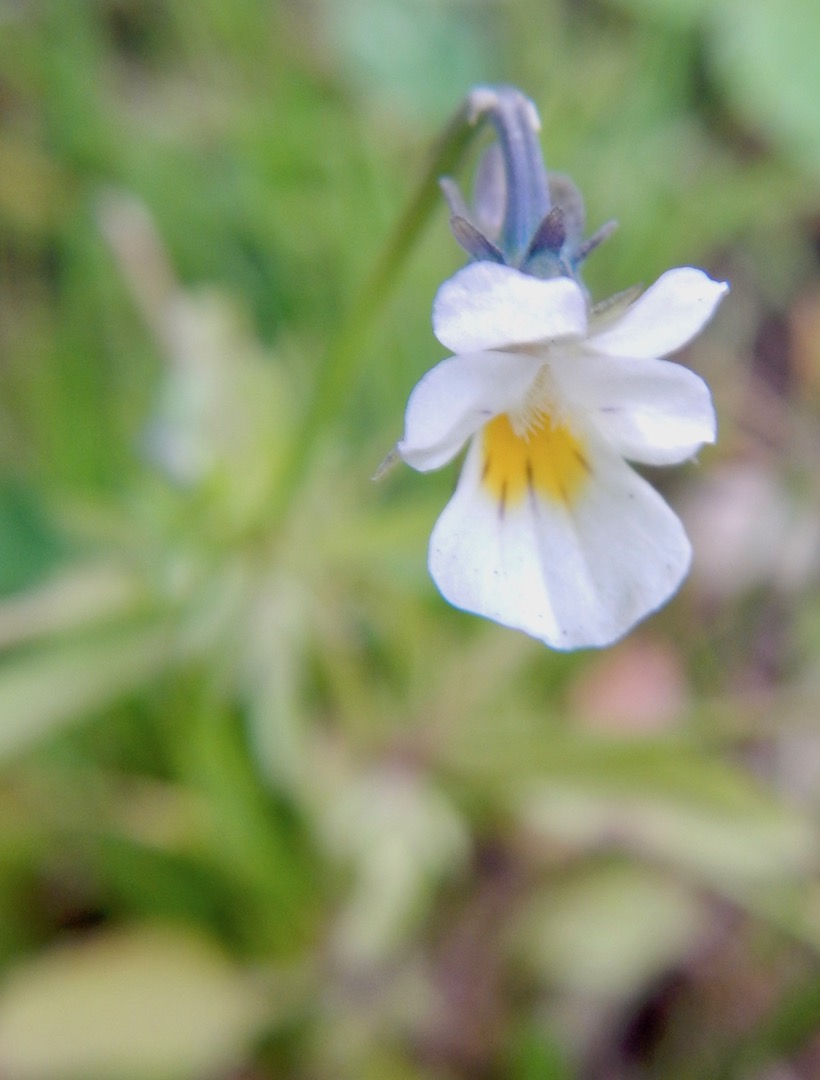
An annual weed of arable land. It is usually white or cream.
Viola arvensis NS5566 25Jul2017 PW
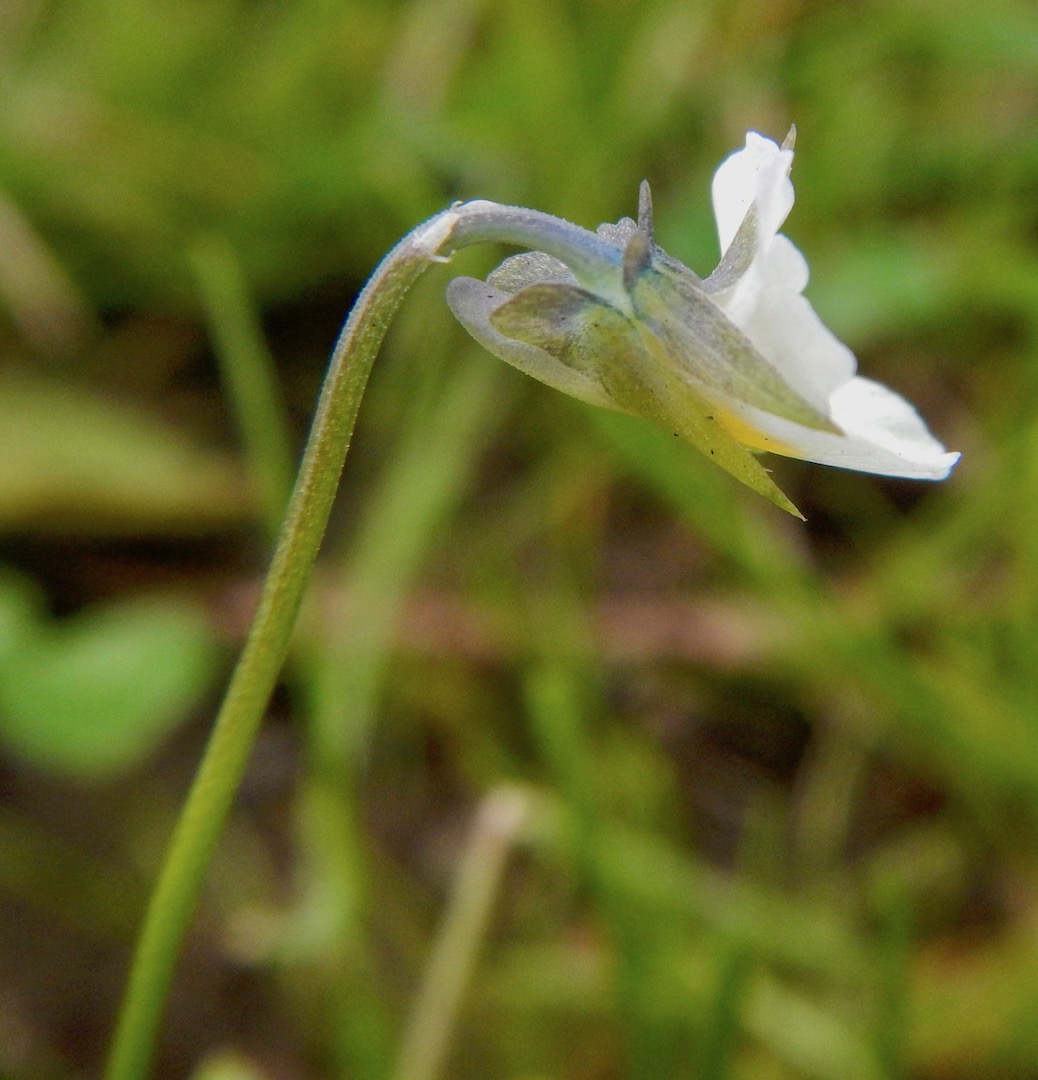
The sepals are longer than the petals.
Viola arvensis NS5566 25Jul2017 PW
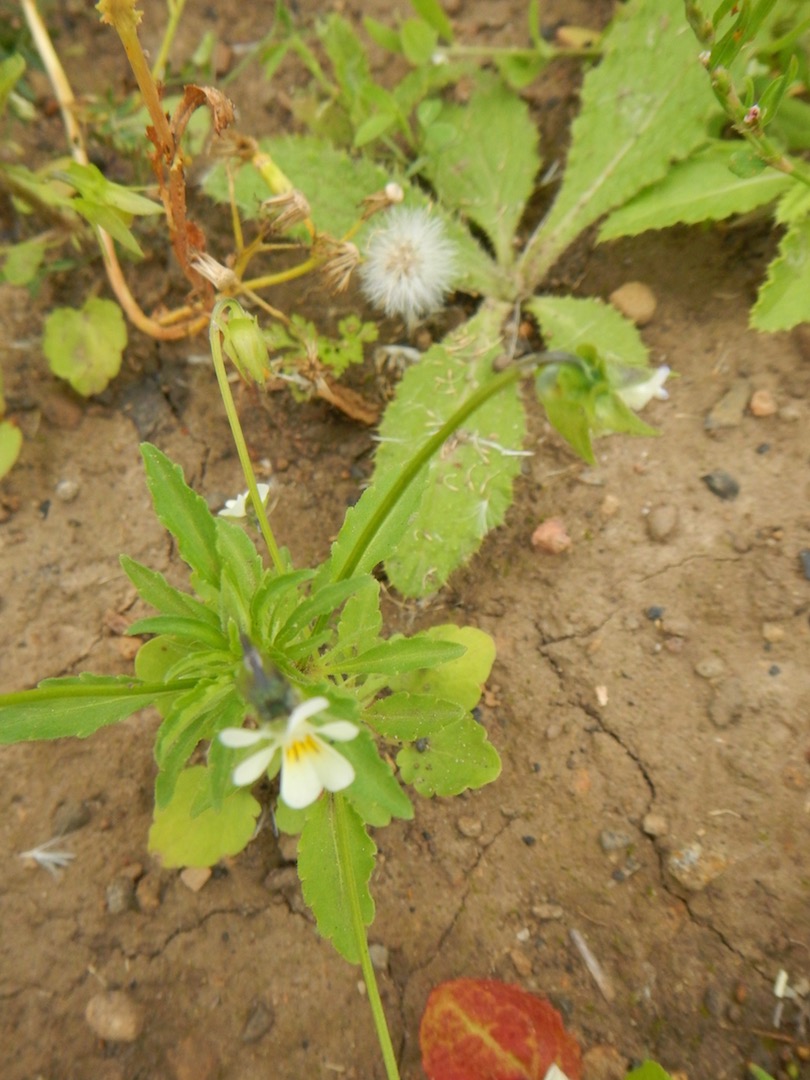
Viola arvensis NS5566 25Jul2017 PW
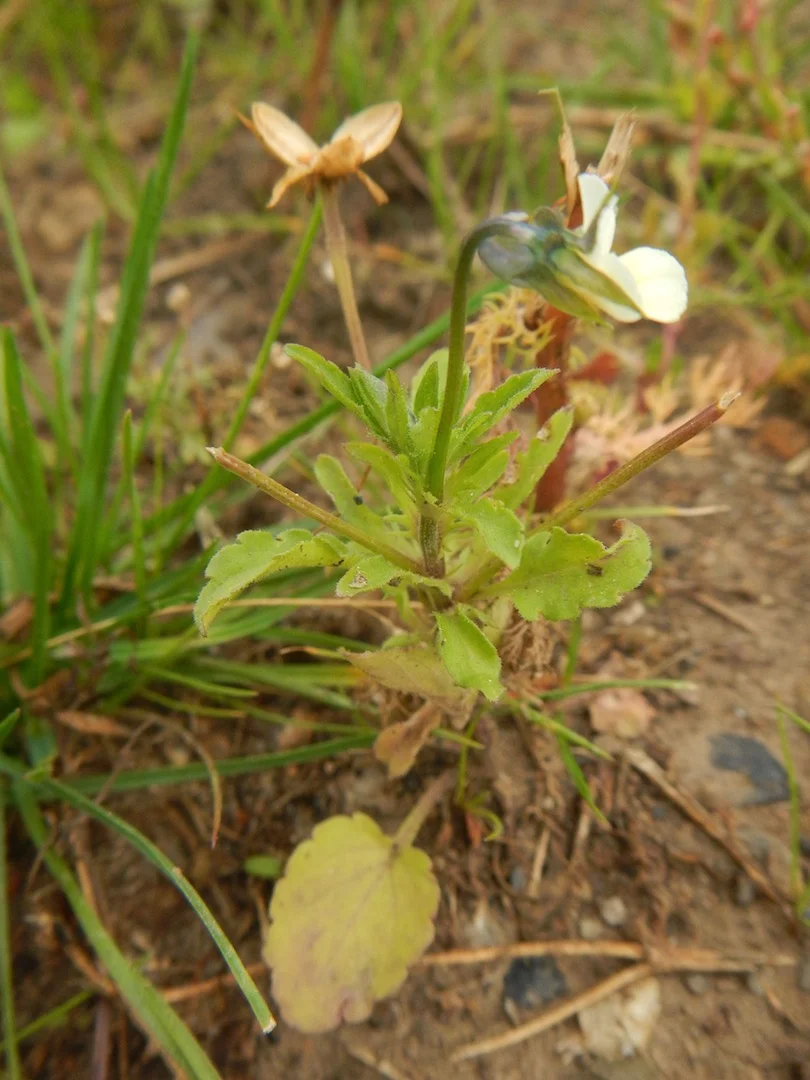
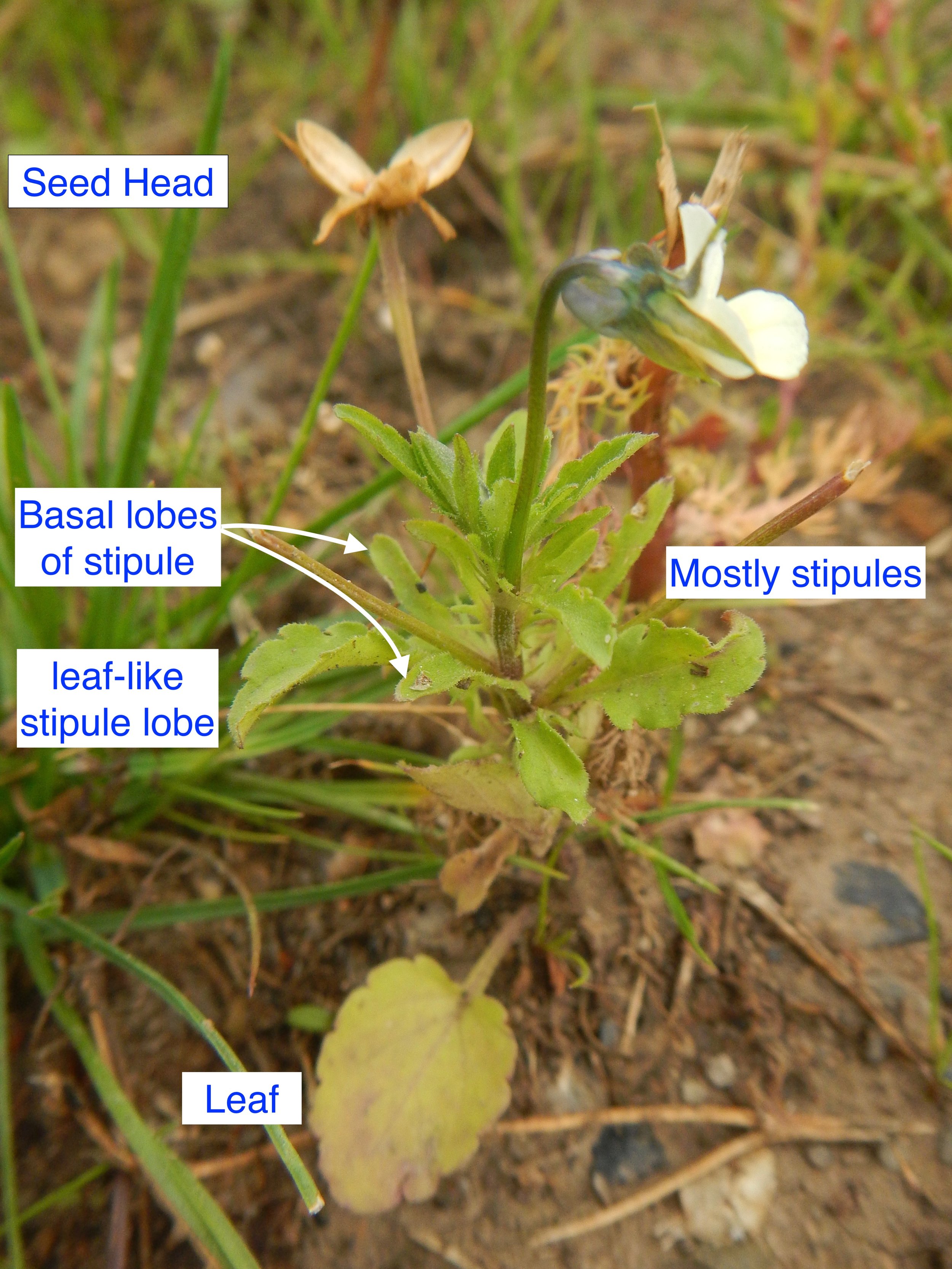
The central lobe of the stipules is leaf-like with margins notched with regular rounded teeth (crenate).
Viola arvensis NS5566 25Jul2017 PW
Viola arvensis NS5566 25Jul2017 PW
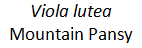
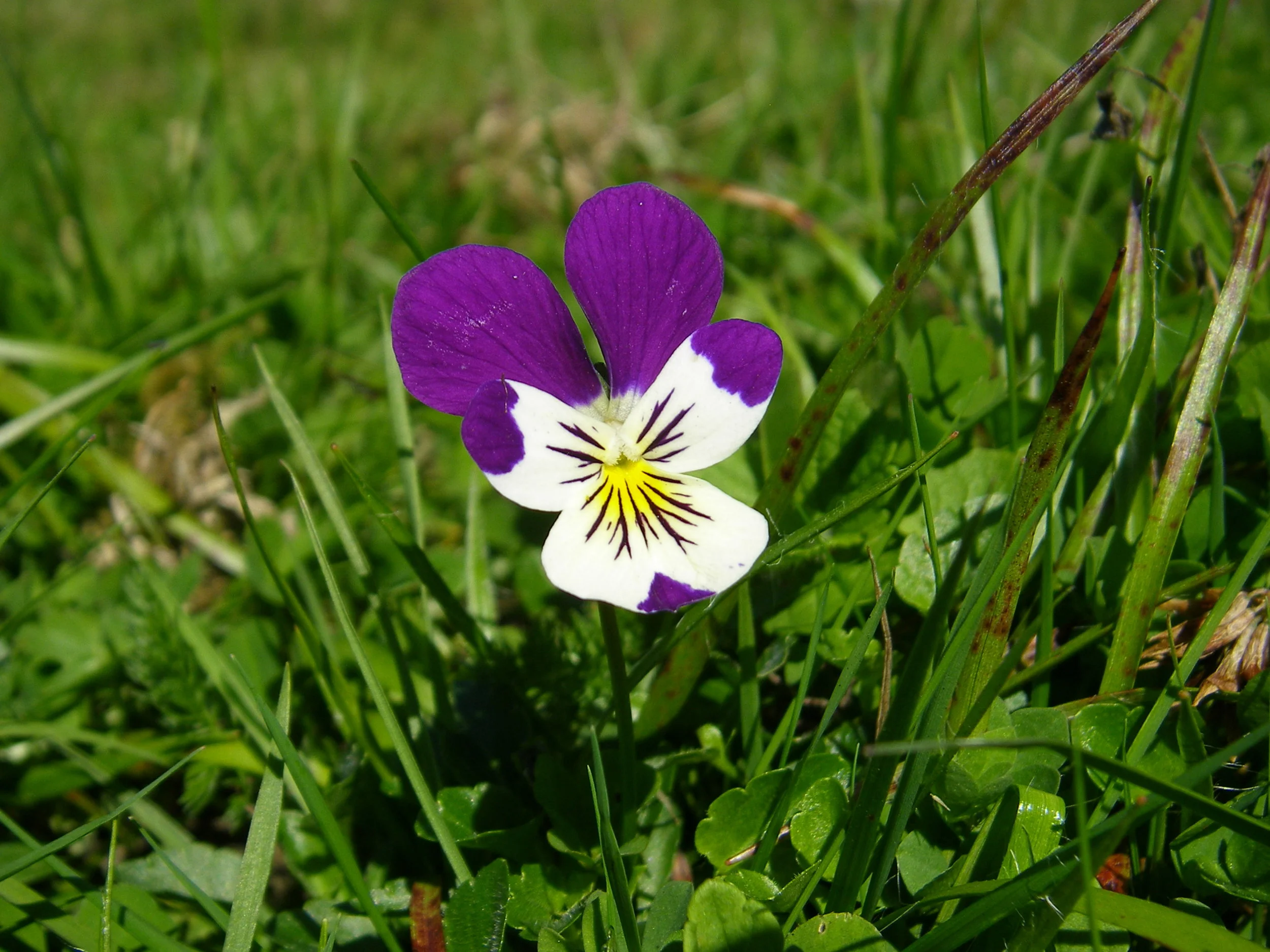
This is a perennial plant of upland grasslands and metal mine sites.
Viola lutea NS6546 18Aug2010 MJP
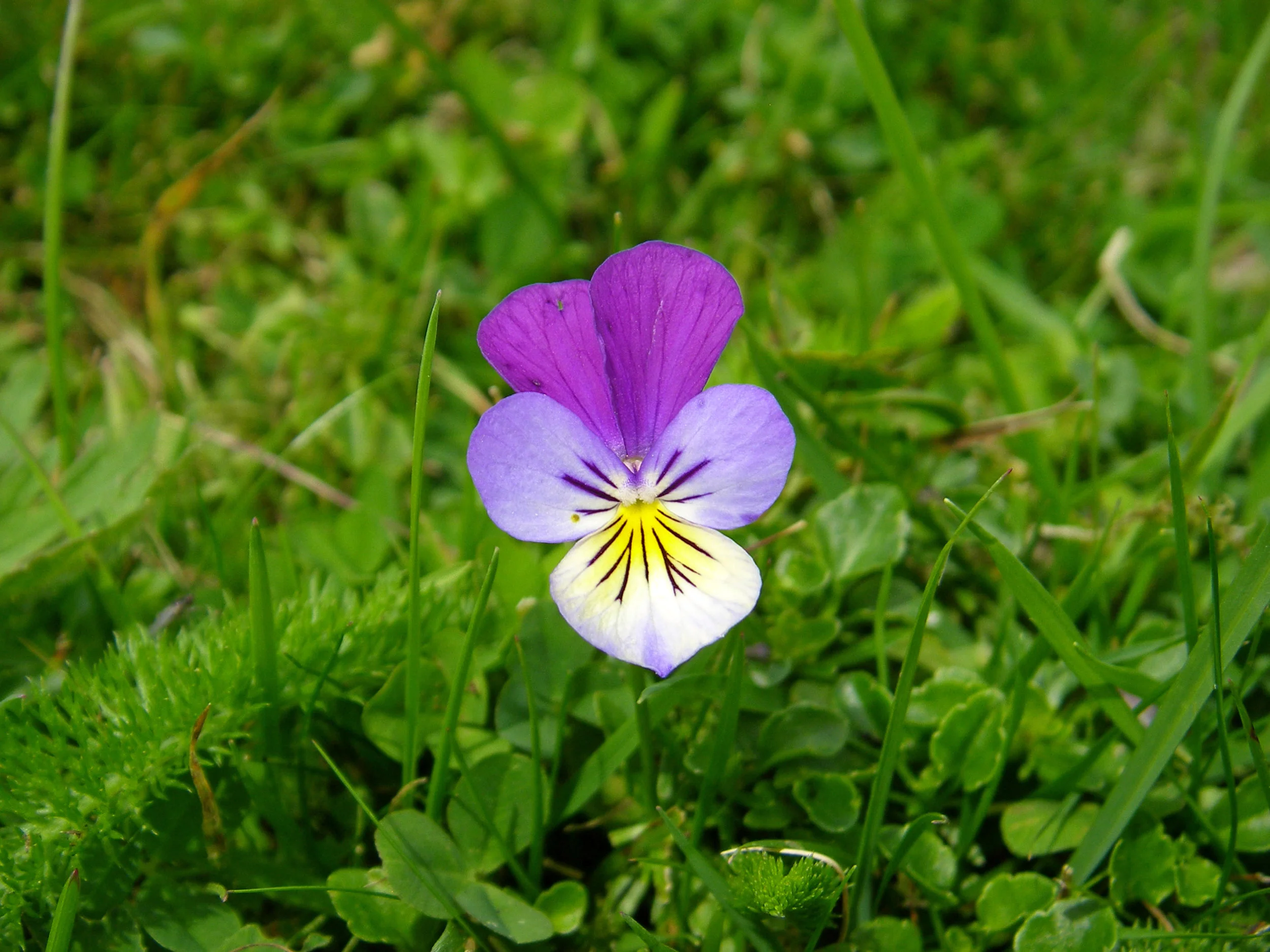
I often has yellow, blue, and purple in the flowers.
Viola lutea NS6546 18Aug2010 MJP

Flower can be mainly one colour and often in Lanarkshire it is all purple. The flower is > 20mm vertically, with barely overlapping petals.
Viola lutea NS6546 18Aug2010 MJP
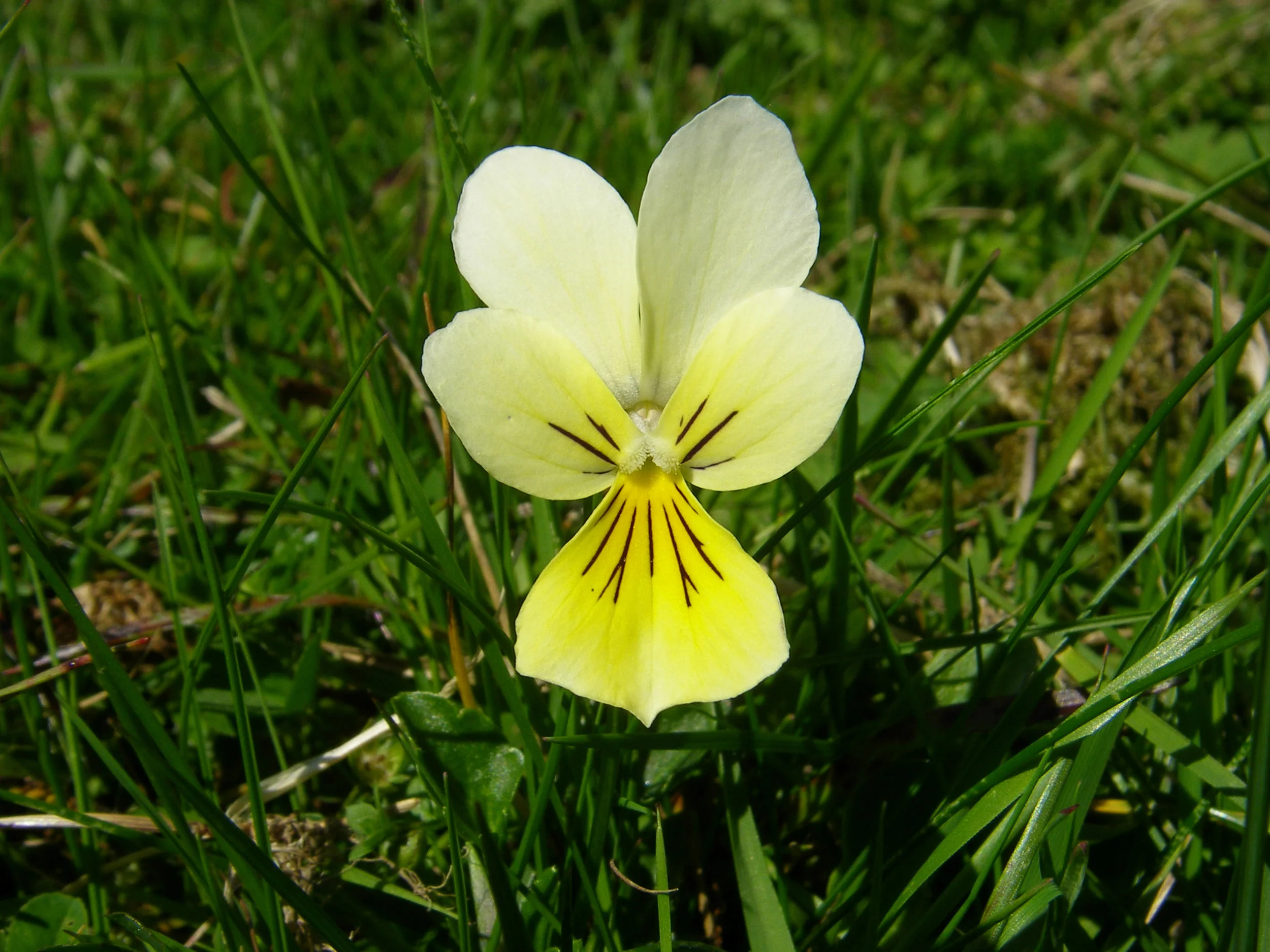
Viola lutea NS6546 18Aug2010 MJP
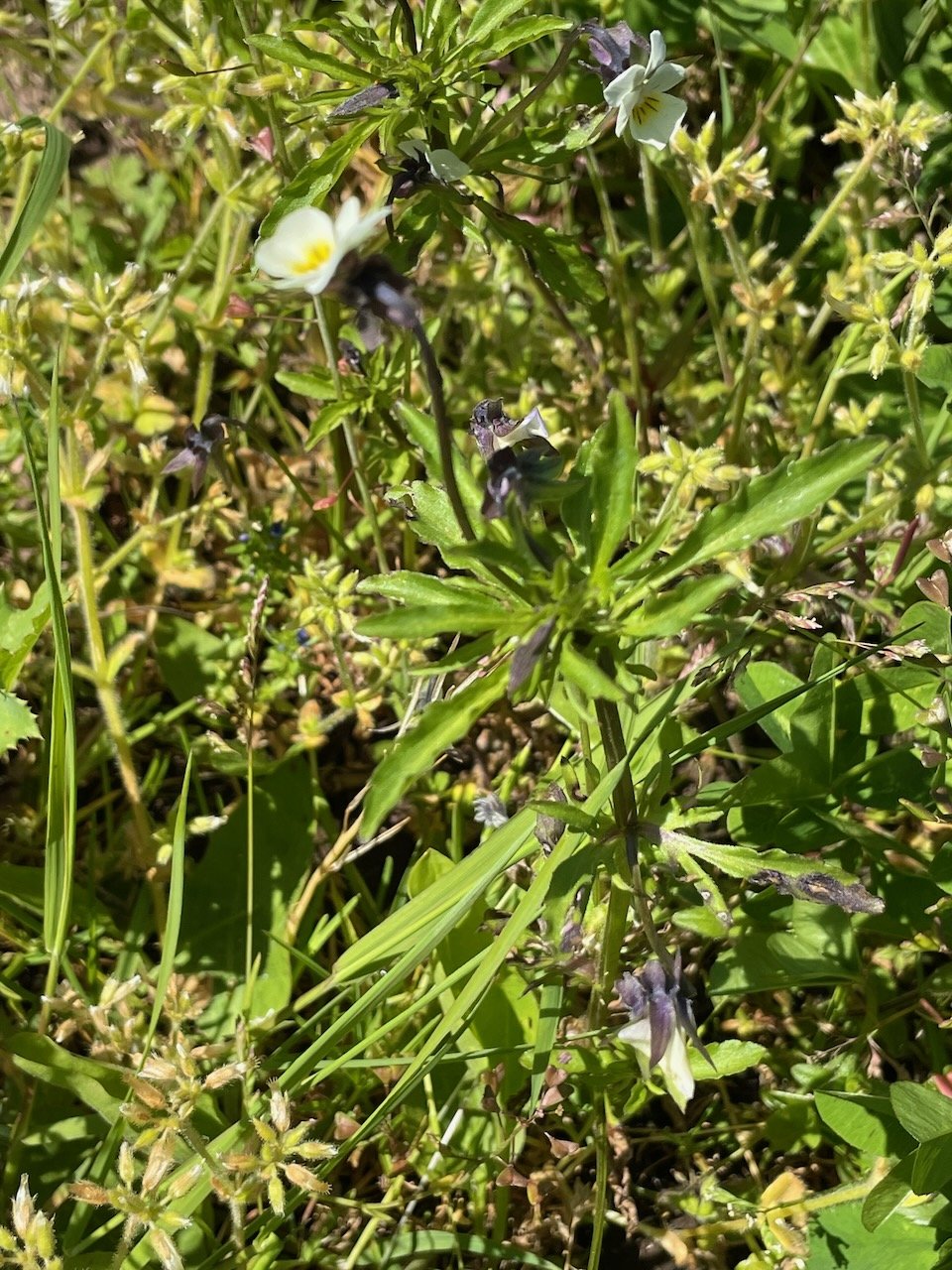
Terminal segment of the stipules scarcely wider than the others and entire.
Viola lutea NT0442 4Jun22 PW
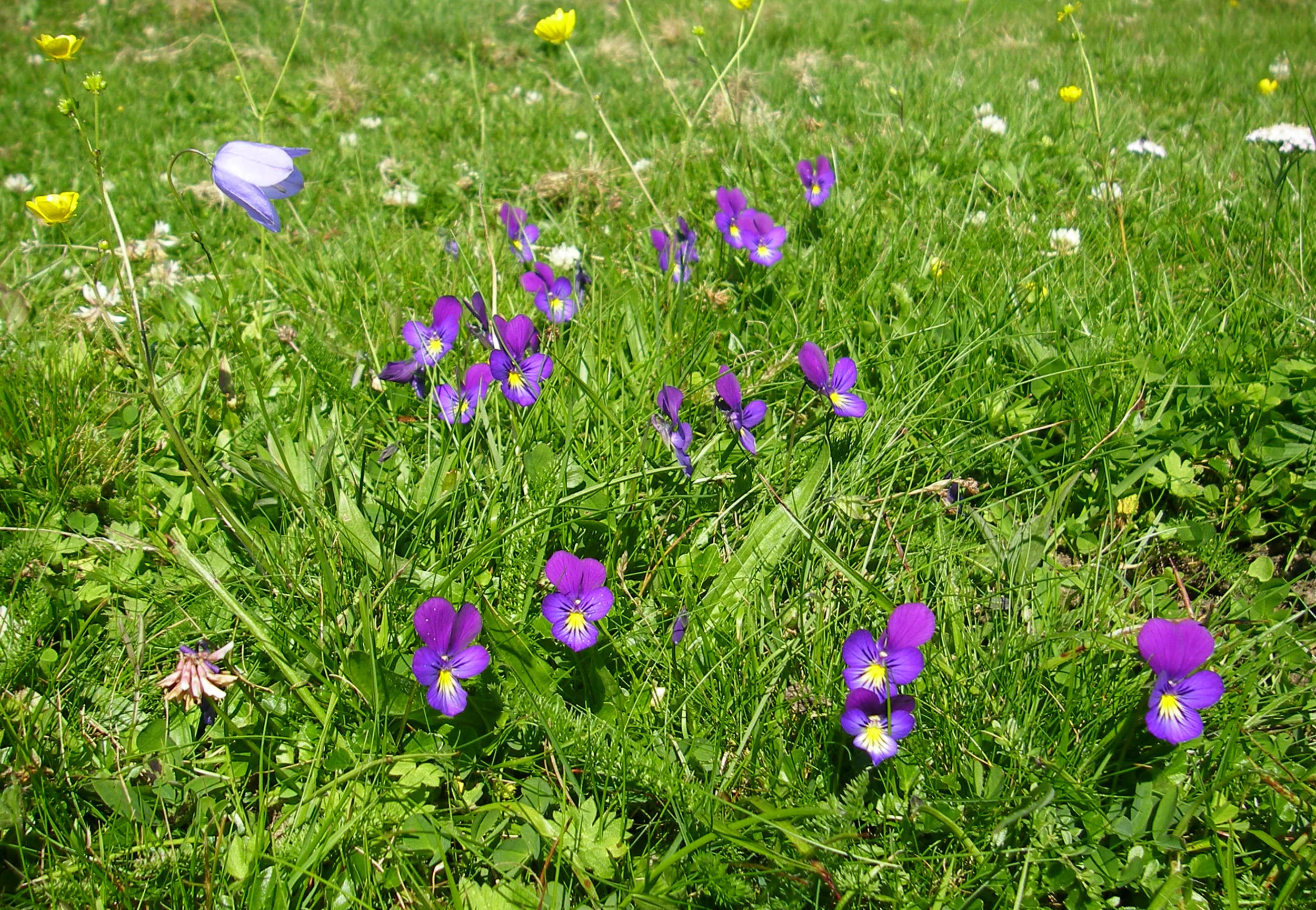
Typical upland grassland habitat with Yarrow, Harebell and Meadow Buttercup.
Viola lutea NS6546 18Aug2010 MJP
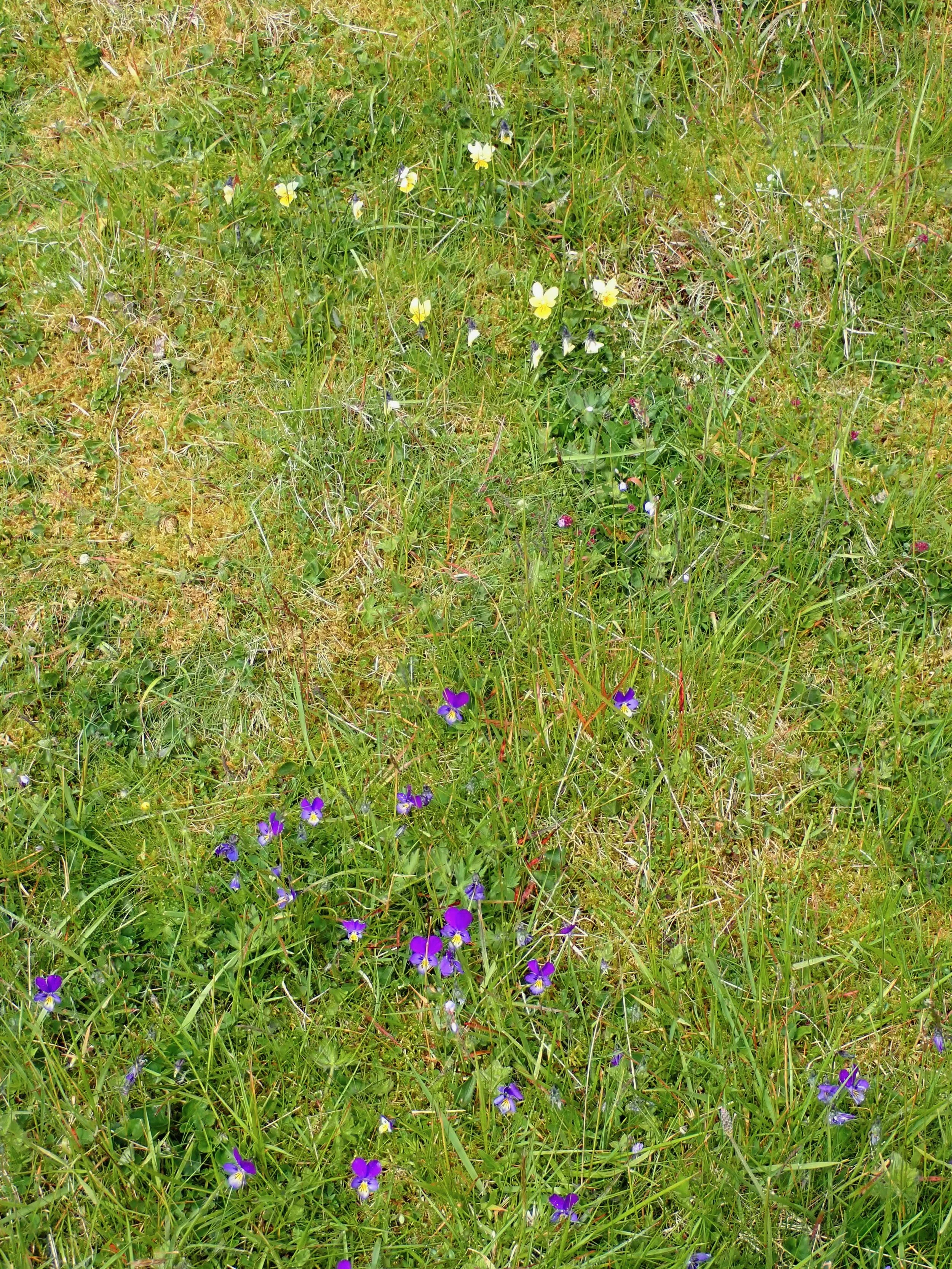
Both are V. lutea showing two different colonies, possibly spreading by stolons.
Viola lutea NS8814 19Jun22 PW
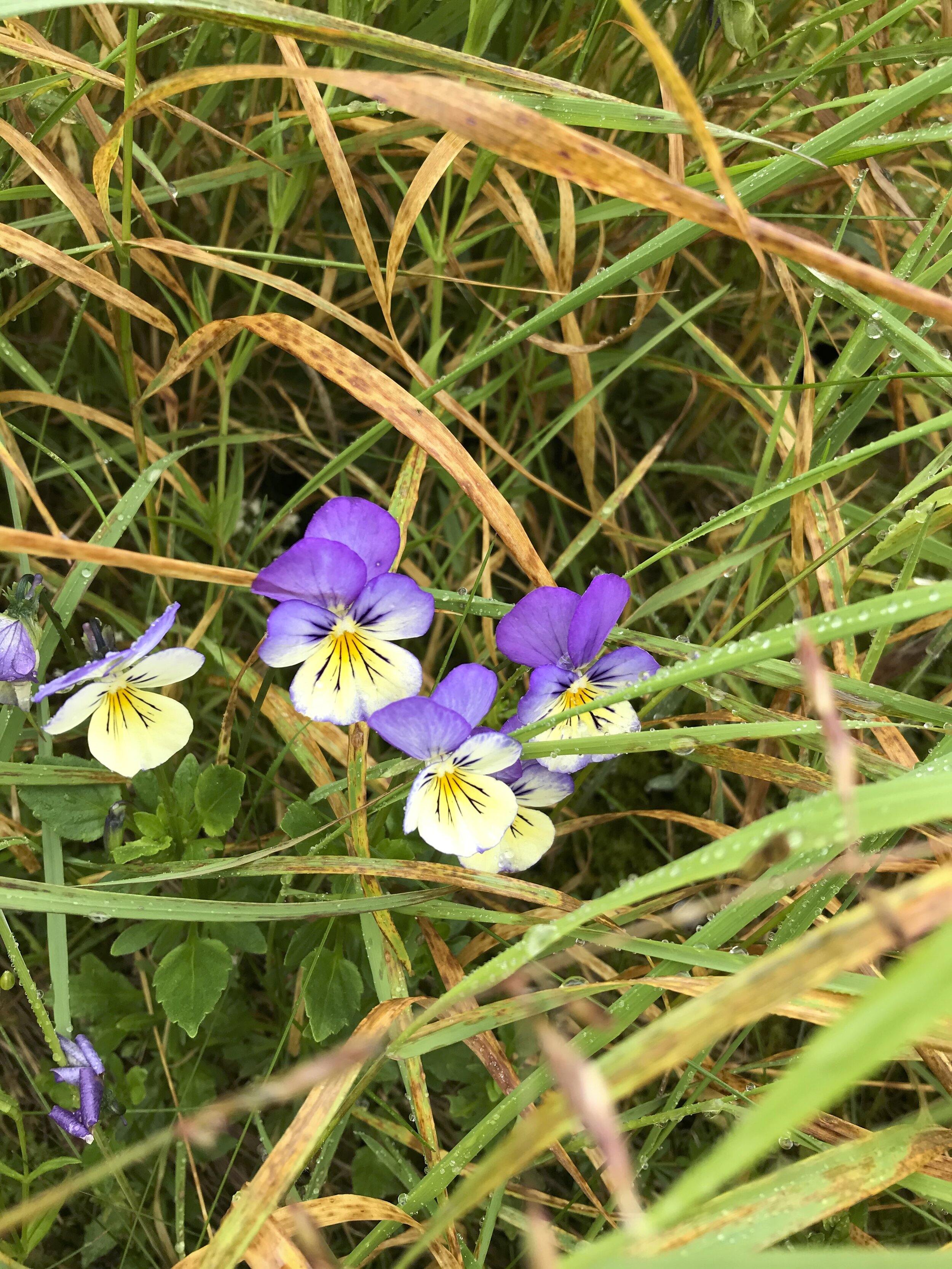
The flowers are 10-25mm vertically and the petals are longer than the calyx.
Viola tricolor NS8814 22Jul2020 MP
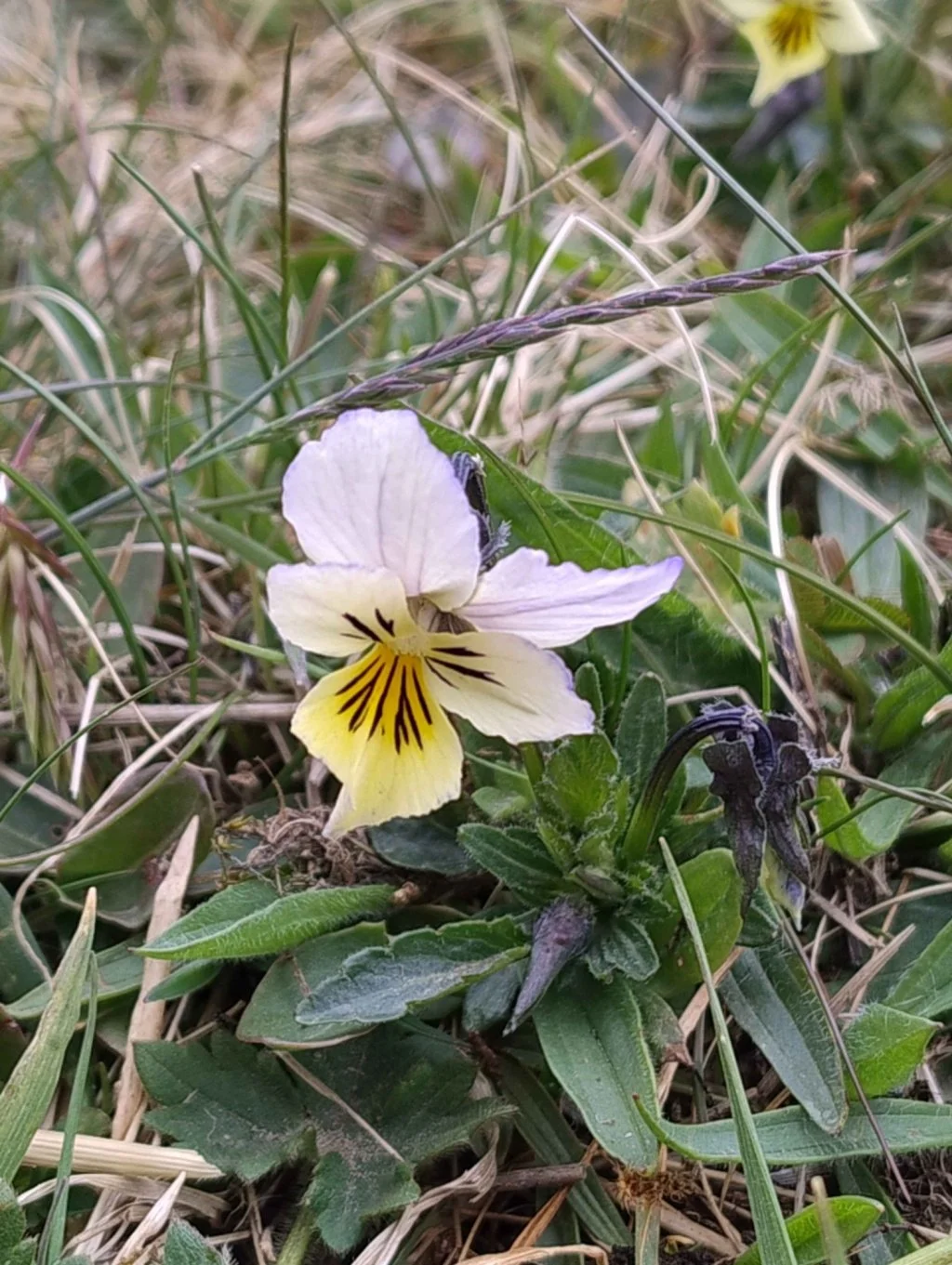
Viola tricolor NS8814 15May26 PT
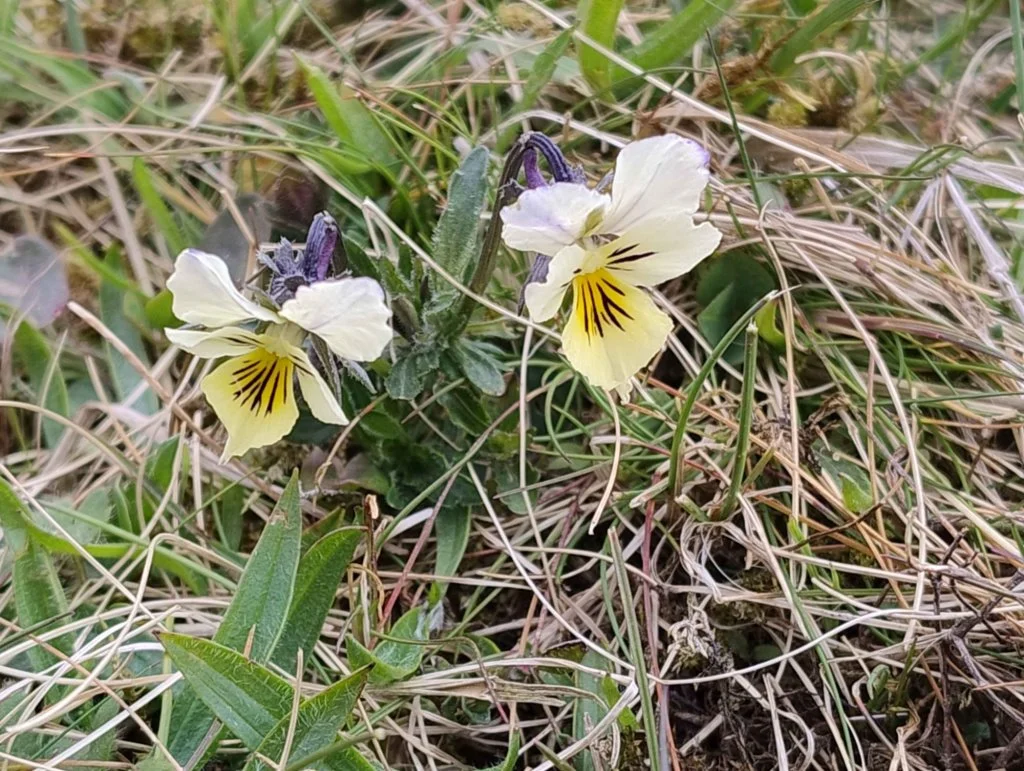
Viola tricolor NS8814 15May26 PT
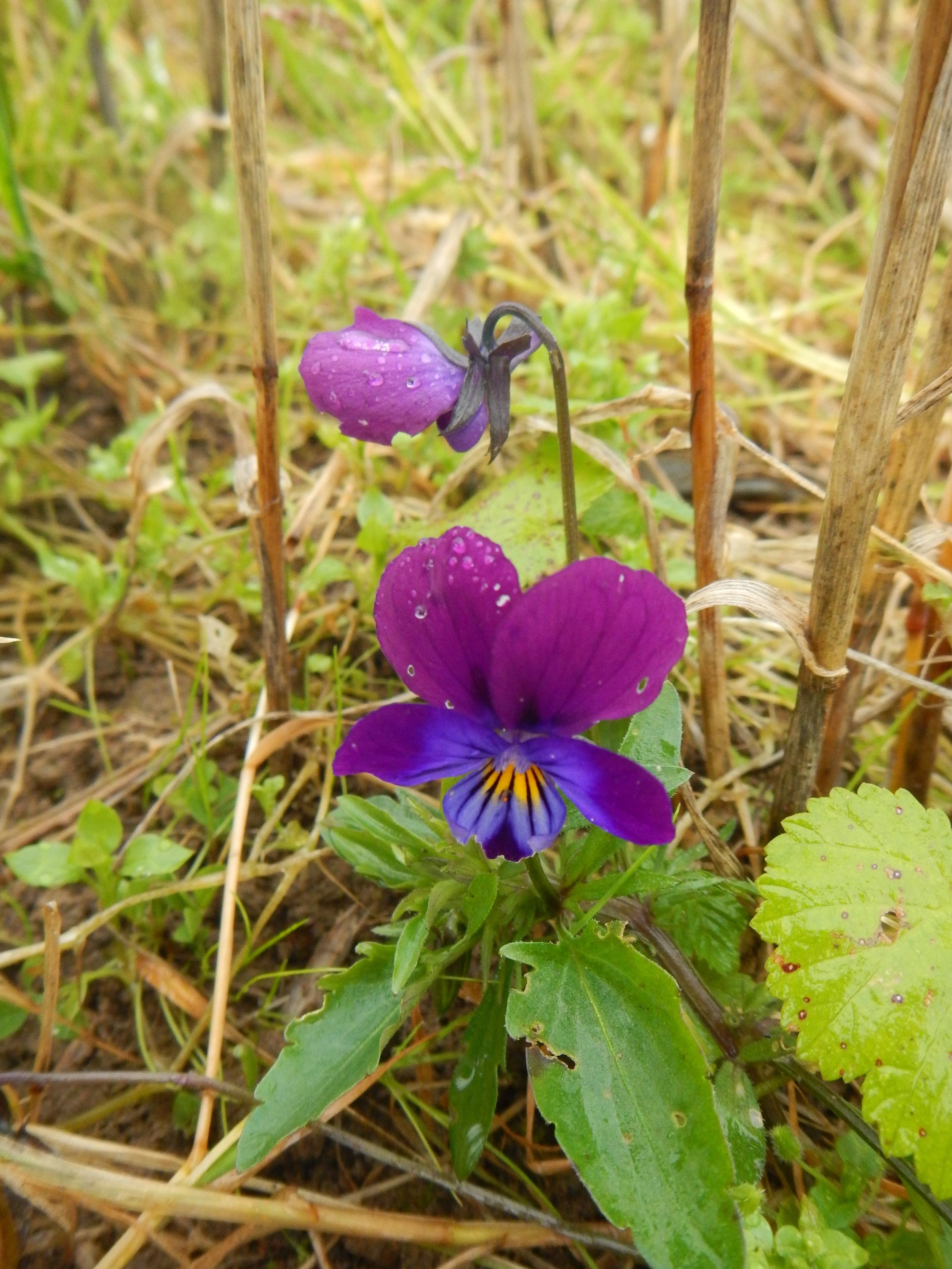
The terminal segment of the palmate stipule is clearly wider than others and entire to ±crenate.
Viola tricolor NS9738 16Sep2017 PW
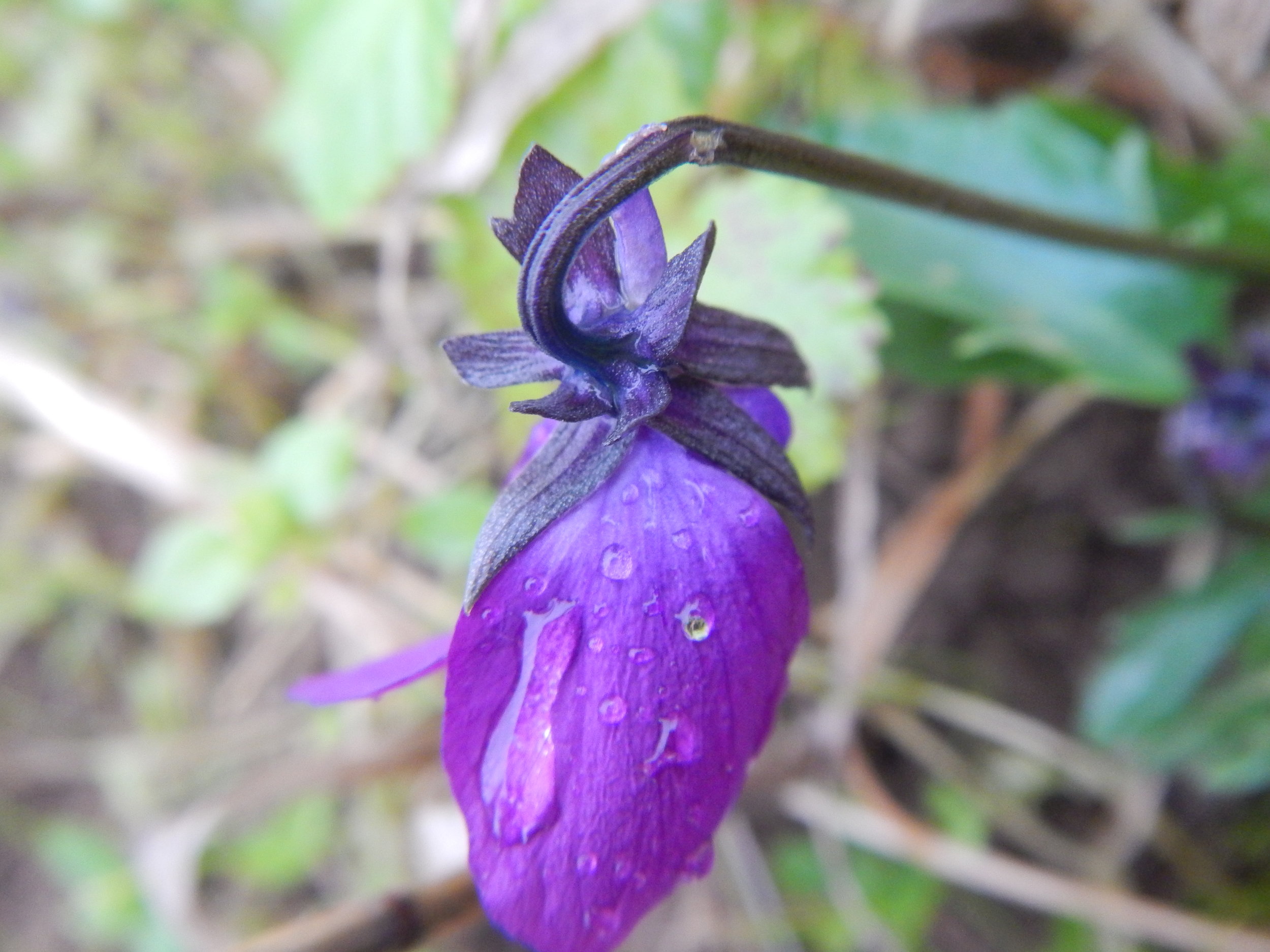
Viola tricolor NS9738 16Sep2017 PW
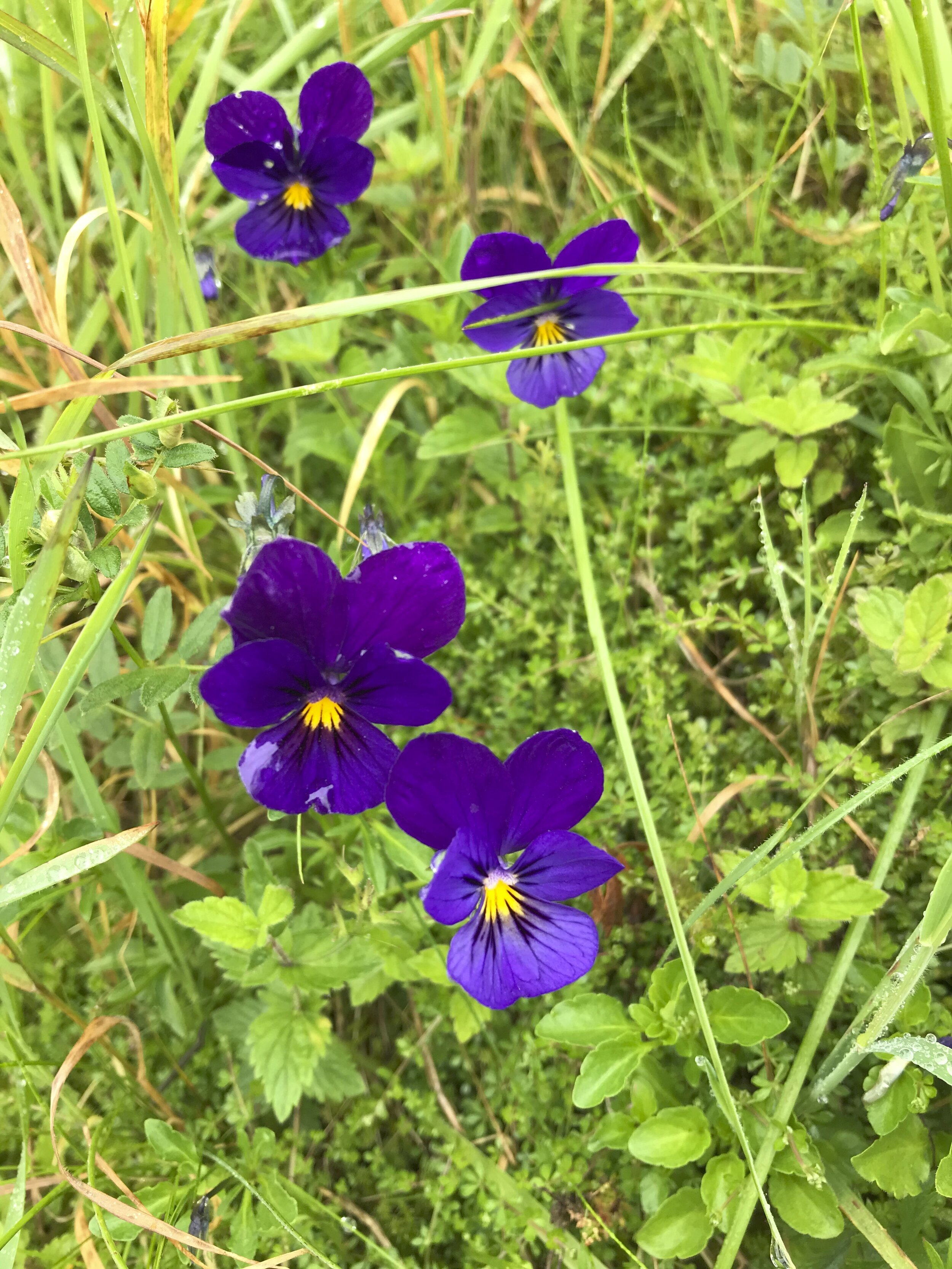
Viola tricolor NS8814 22Jul2020 MP
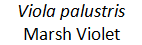
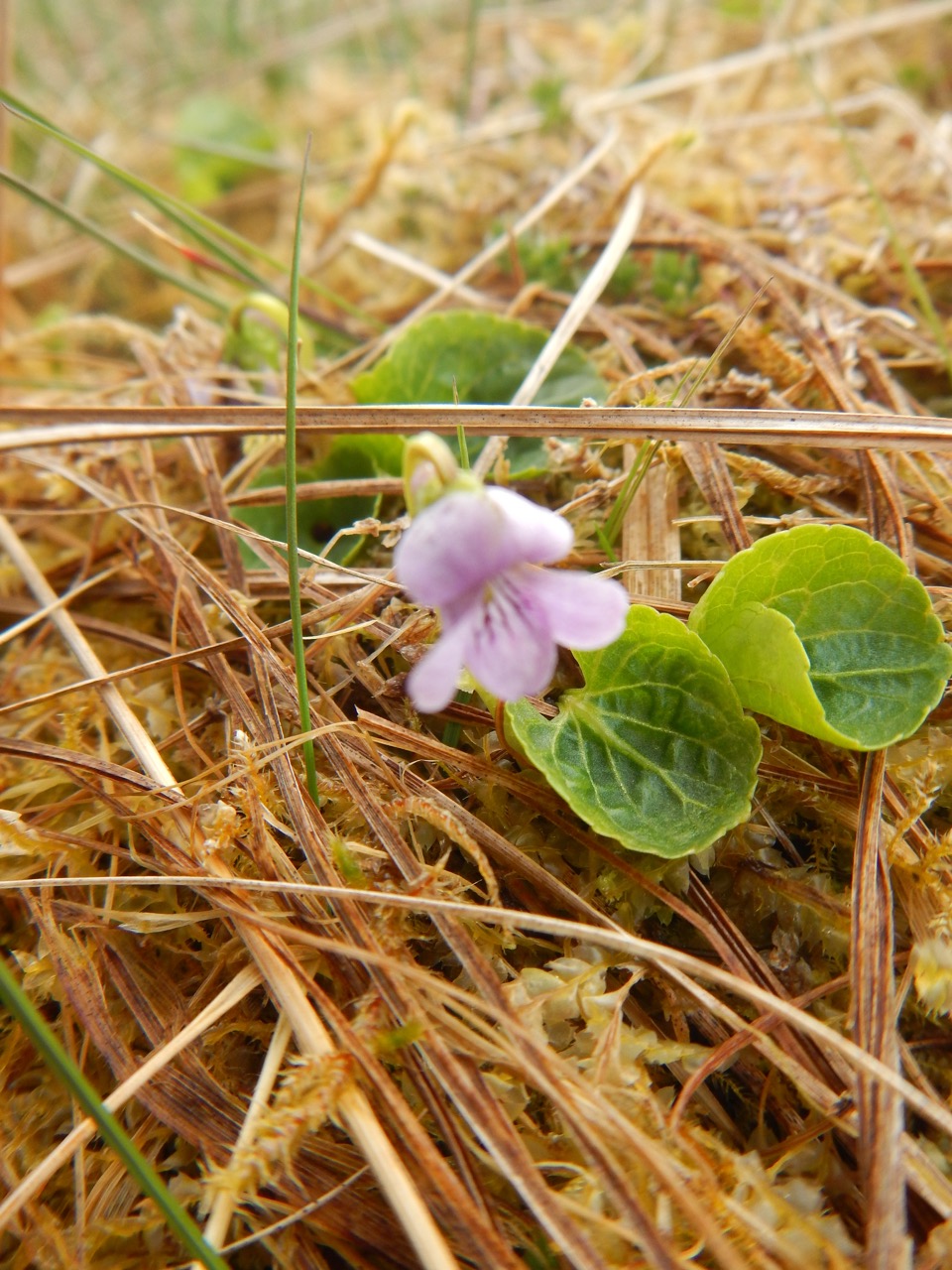
Leaves are orbicular and rounded at apex. Flowers blue / lilac.
Viola palustris NS8761 13May18 PW
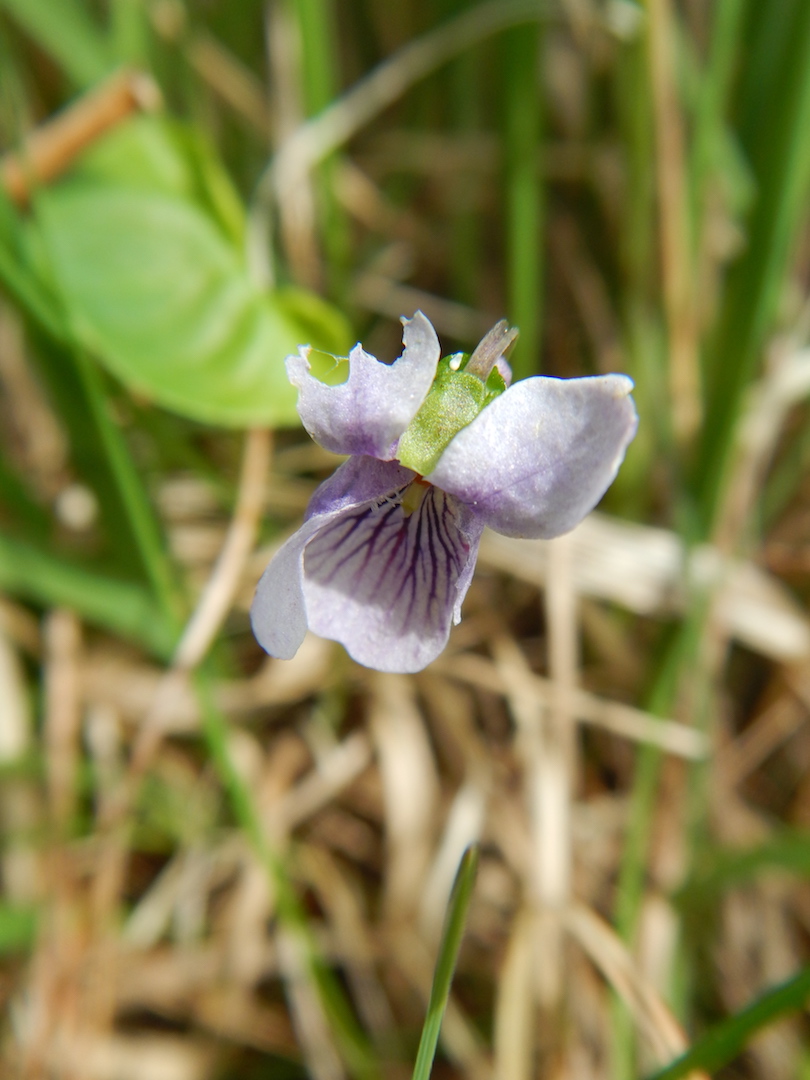
The spur is the same colour as the rest of the flower and this dark veining is typical.
Viola palustris 28May2017 NS8267 PW
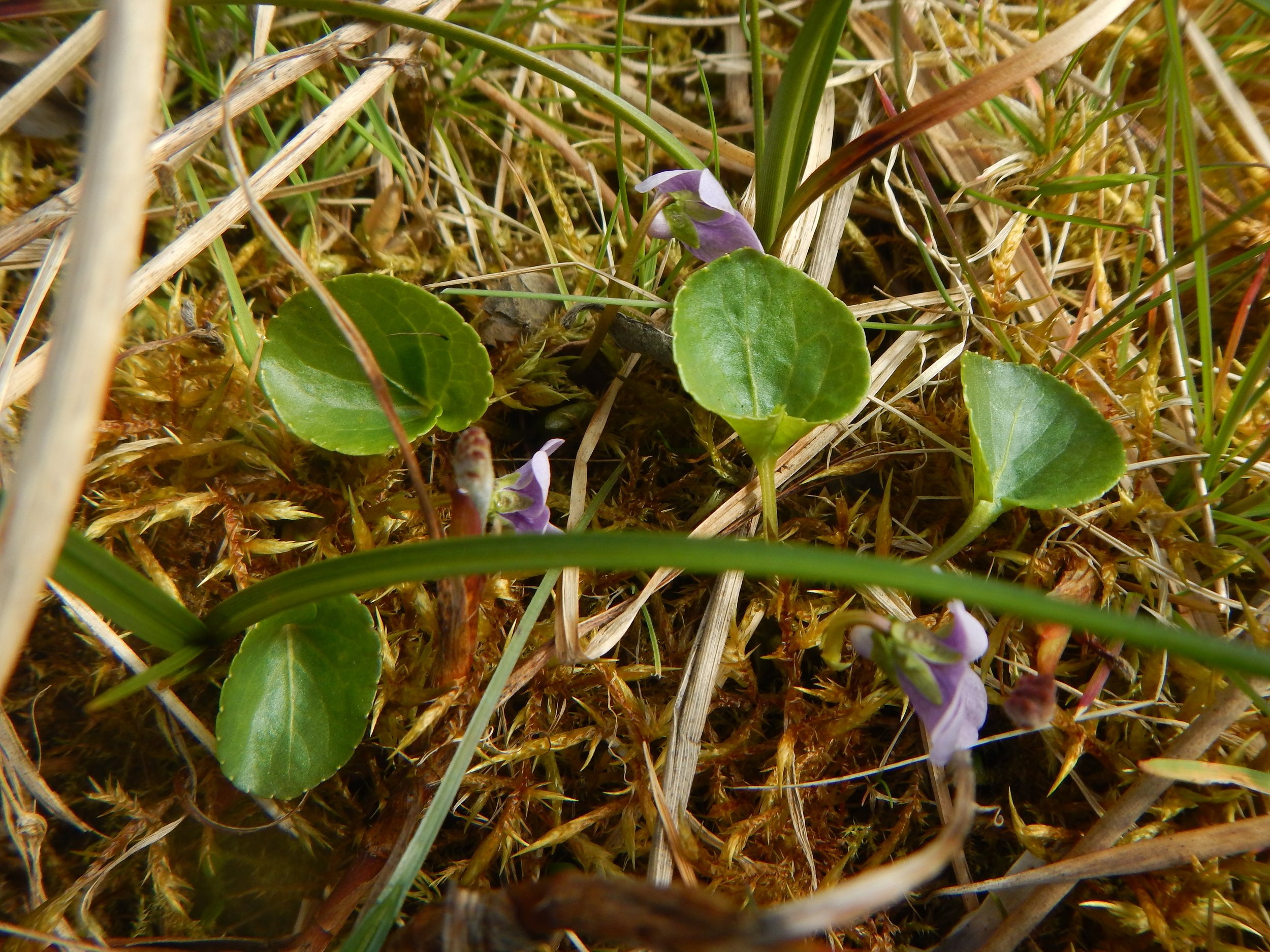
The sepals are blunt.
Viola palustris NT0057 5May18 PW
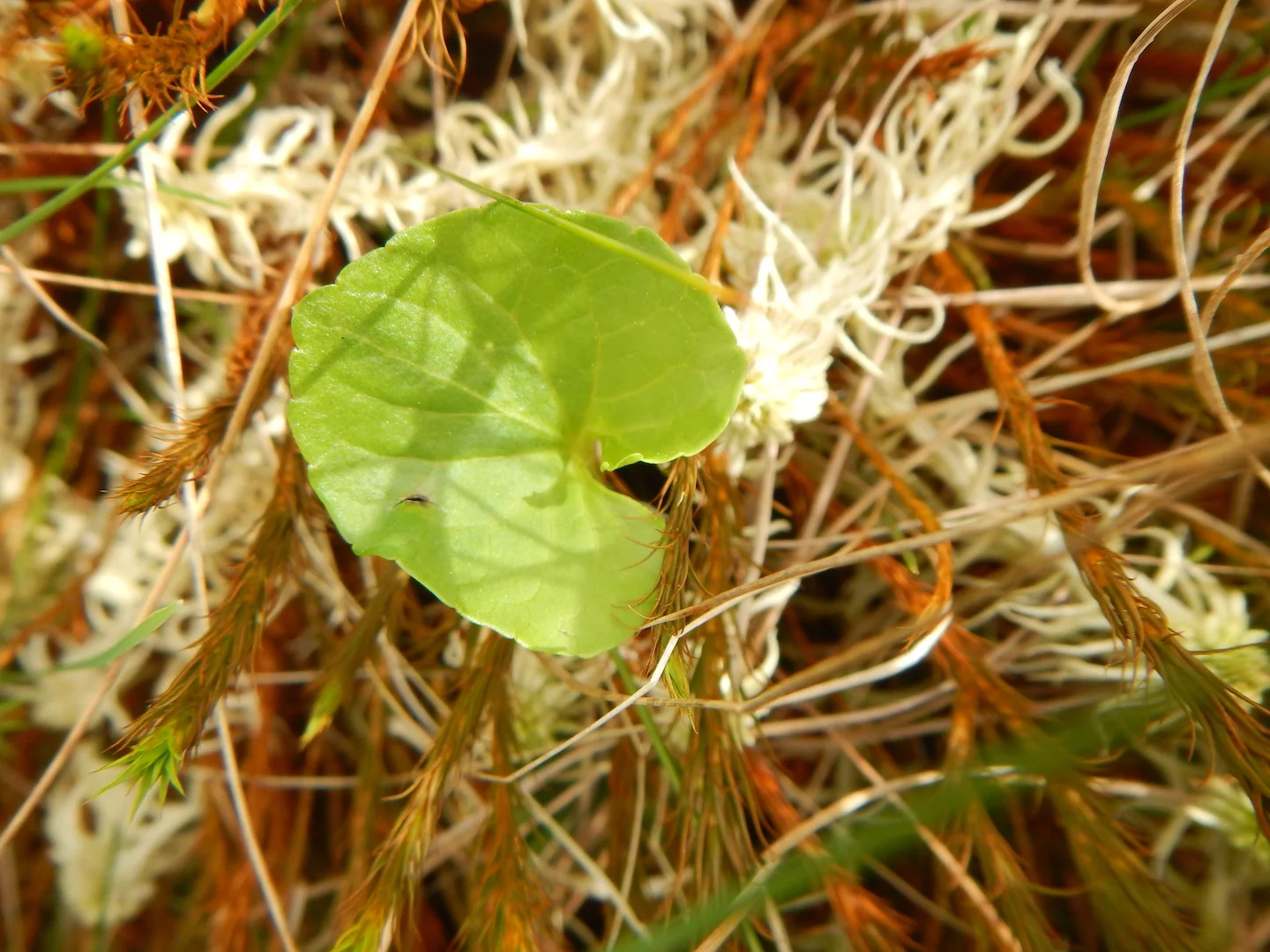
Viola palustris 28May2017 NS8267 PW
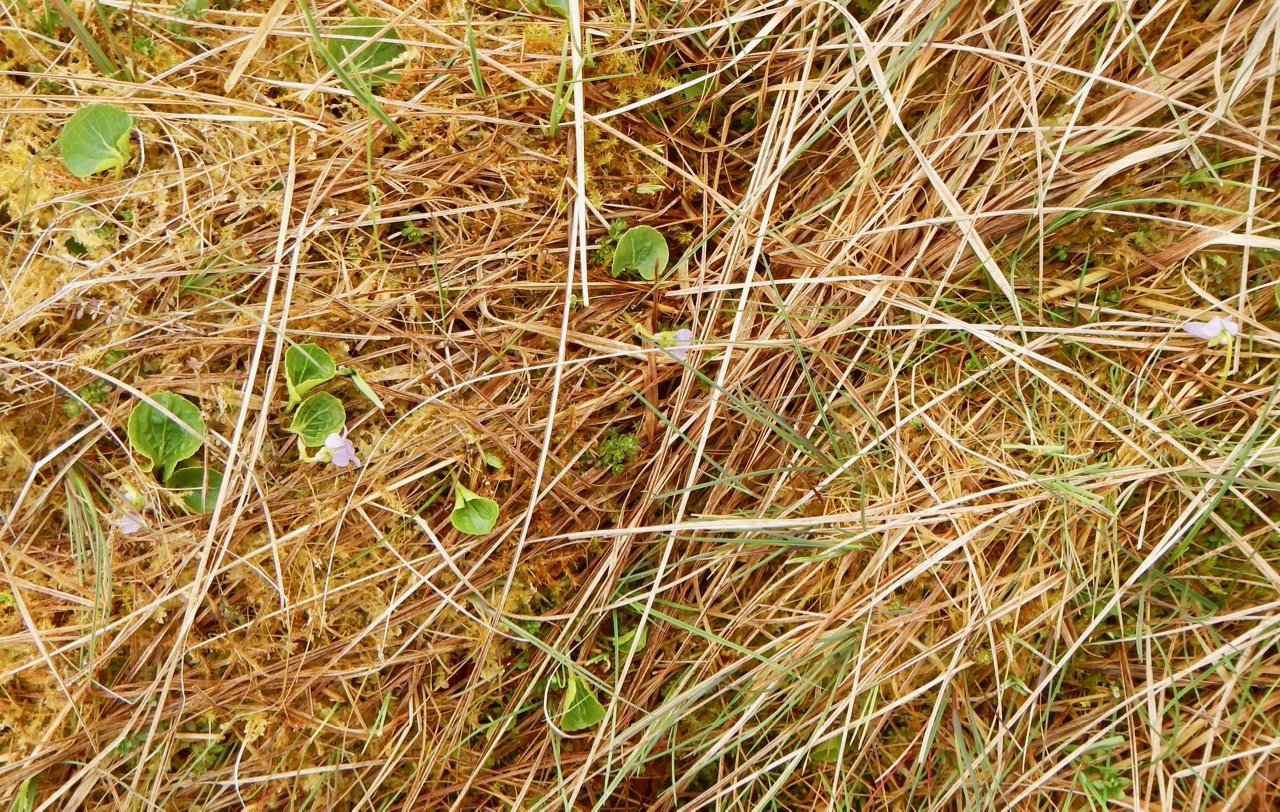
This is a common appearance, emerging from between last season’s rushes in a bog.
Viola palustris NS8761 13May18 PW
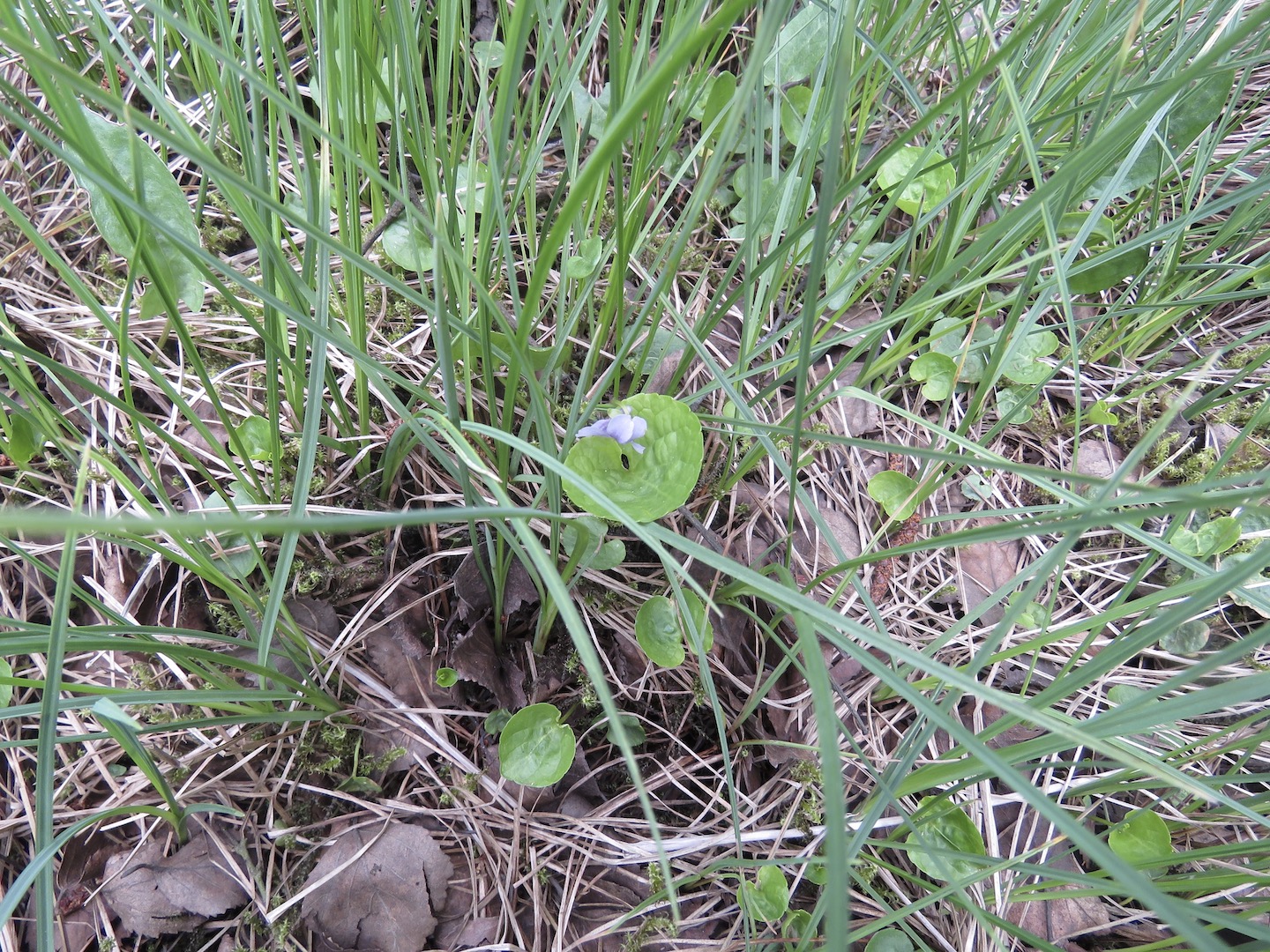
Viola palustris 30May2016 NS7846 MP
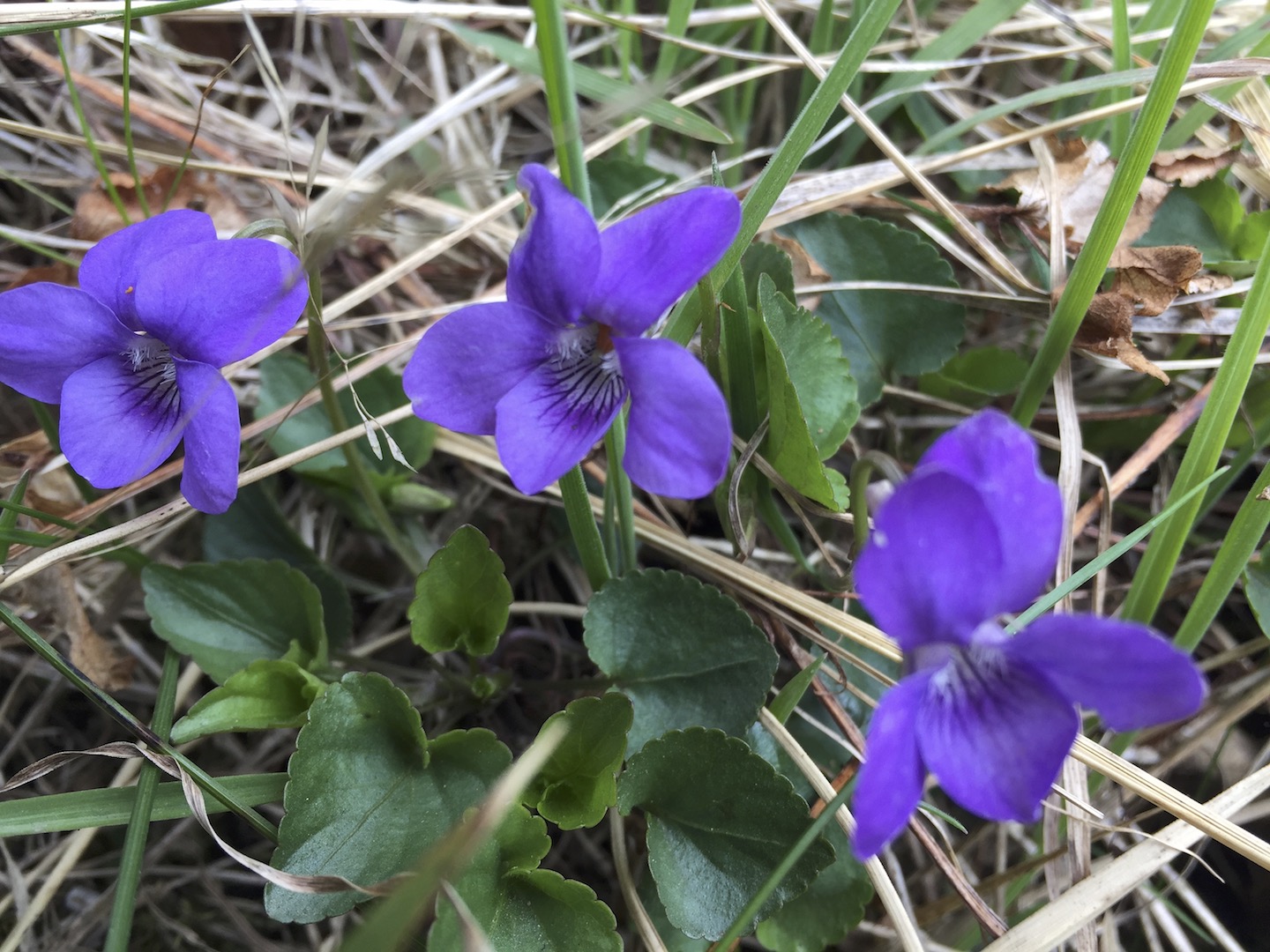
Viola riviniana 21Jul14 NS8065 PW
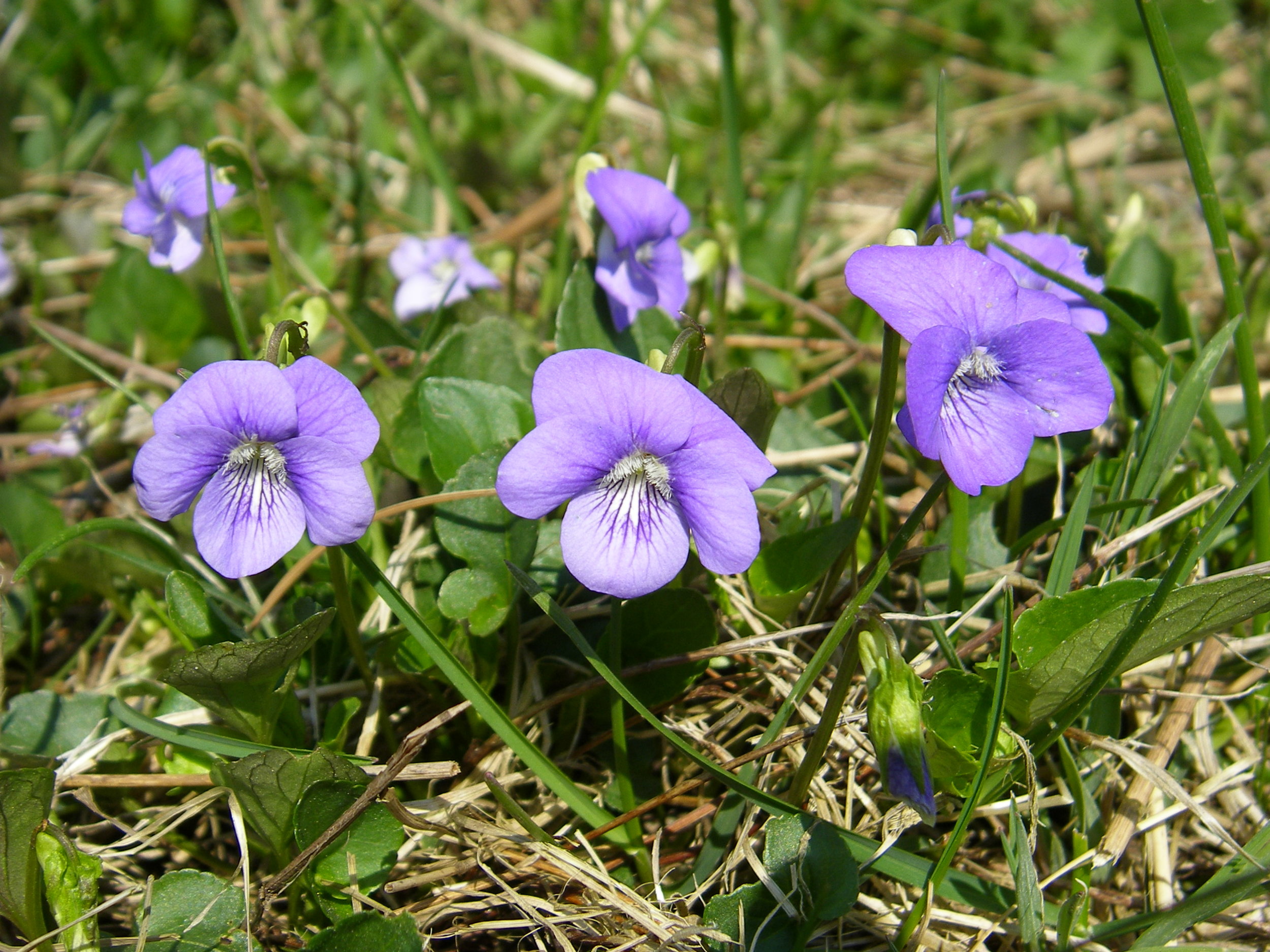
Viola riviniana NS7143 08May2008 MJP
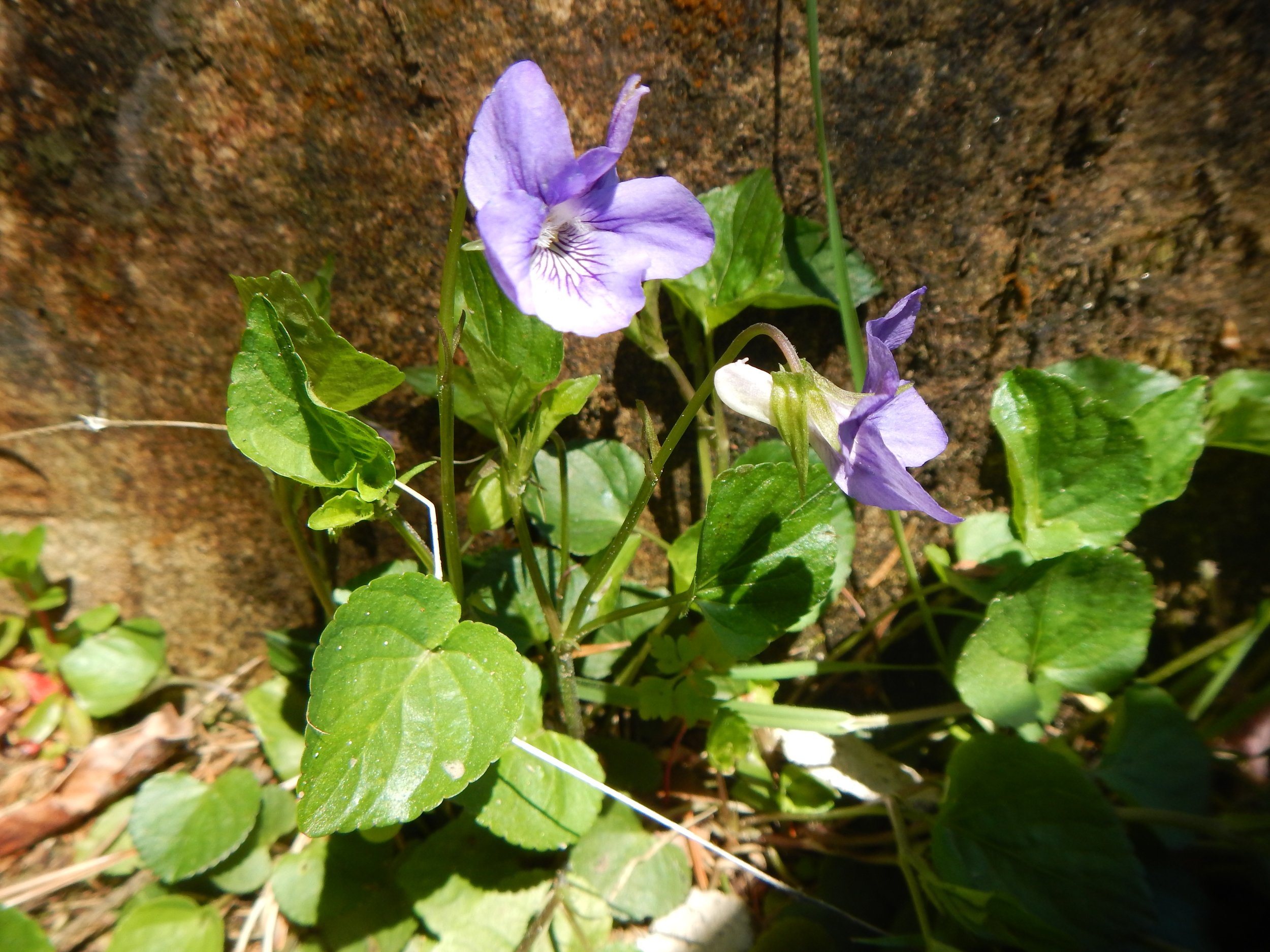
The leaves arise from a basal rosette.
Viola riviniana 27May14 NS5856 PW
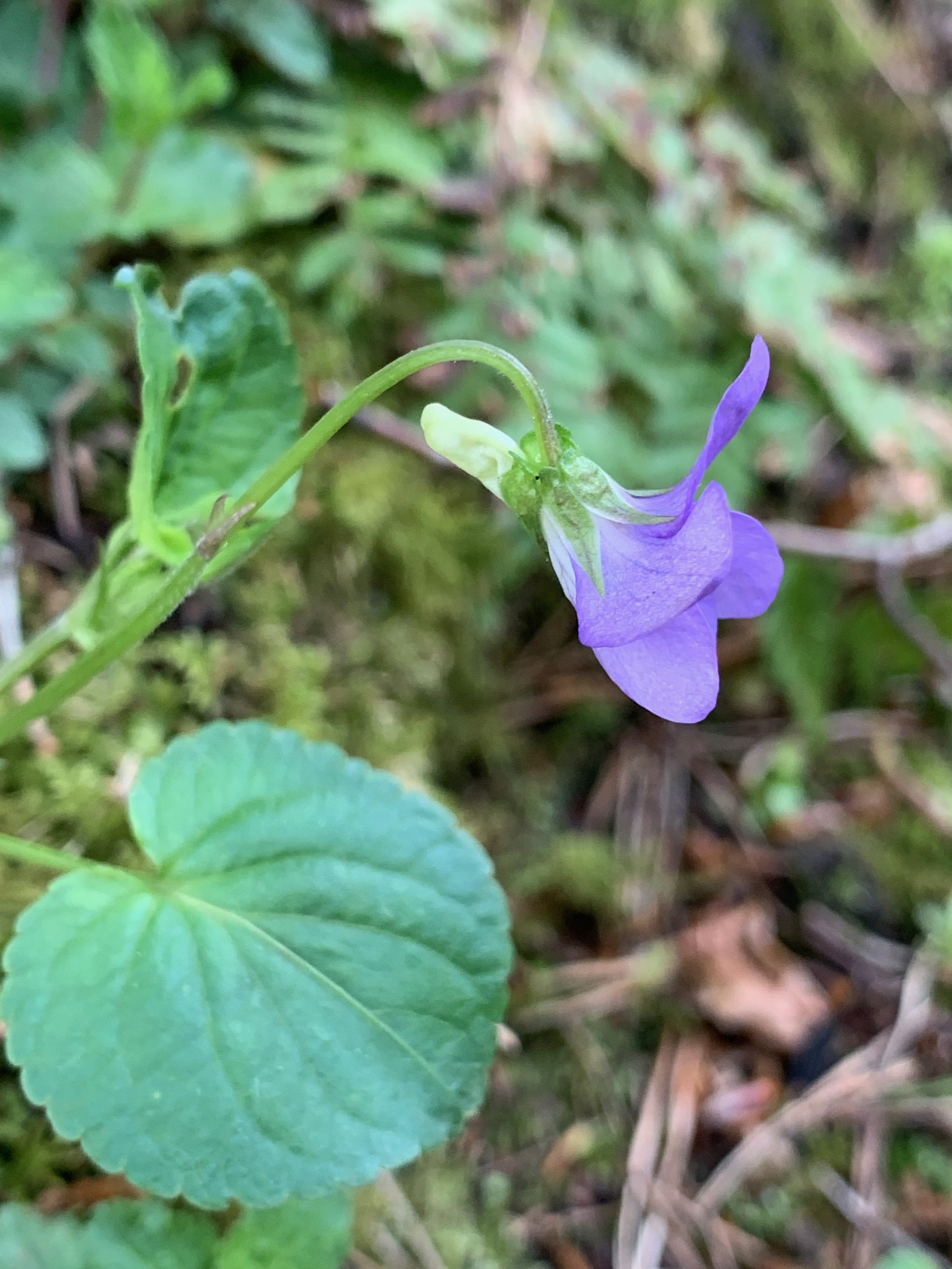
The sepals are sharply pointed and the spur is paler than the flower.
Viola riviniana NS6057 28Apr2019 PW
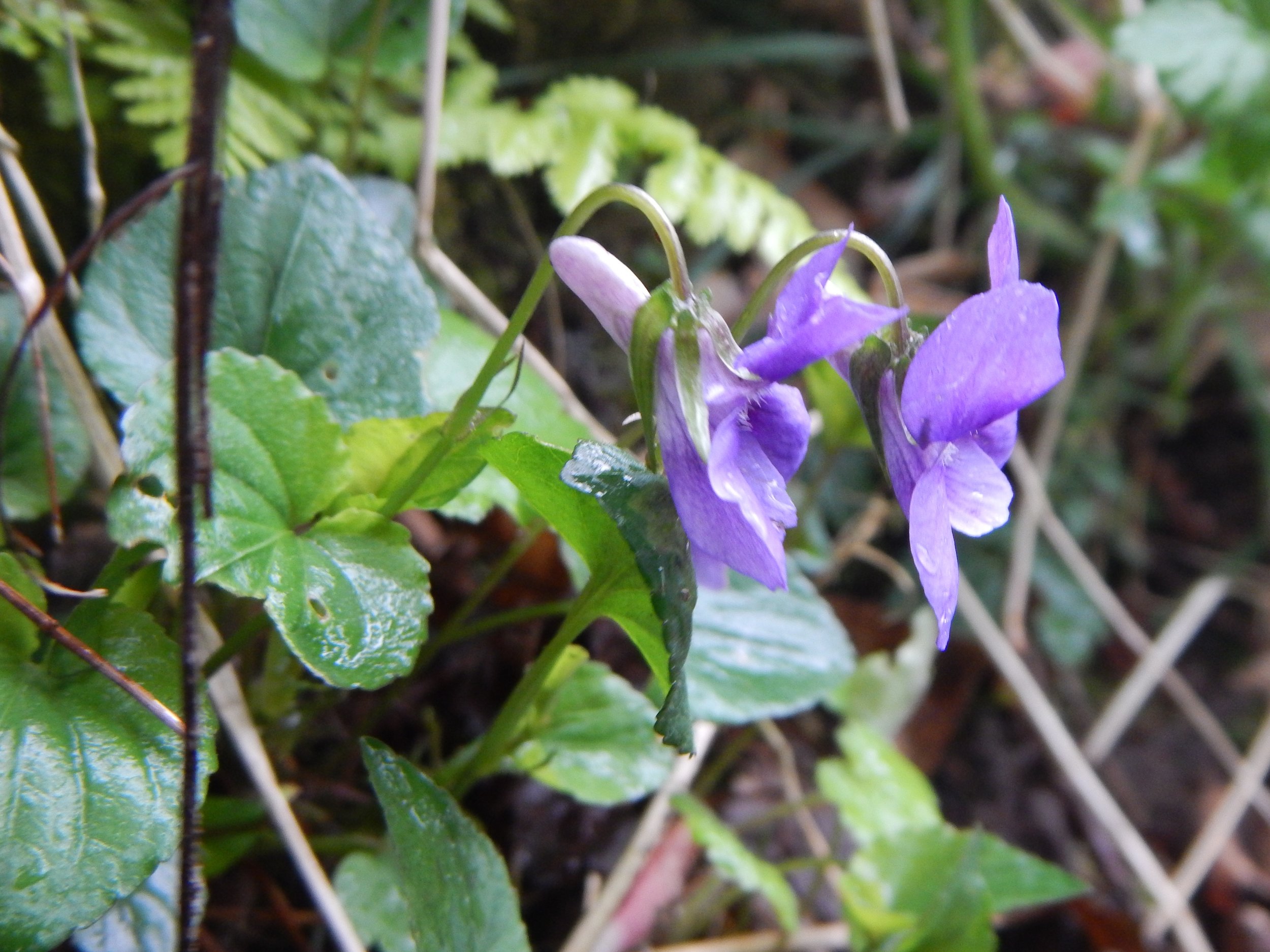
At the base of the sepal is the sepal appendage, a flap heading backwards towards the stem. In this species, this is at least 1.5mm long which differentiates it from V. reichenbachiana which also has a darker spur.
Viola riviniana 27May14 NS5856 PW
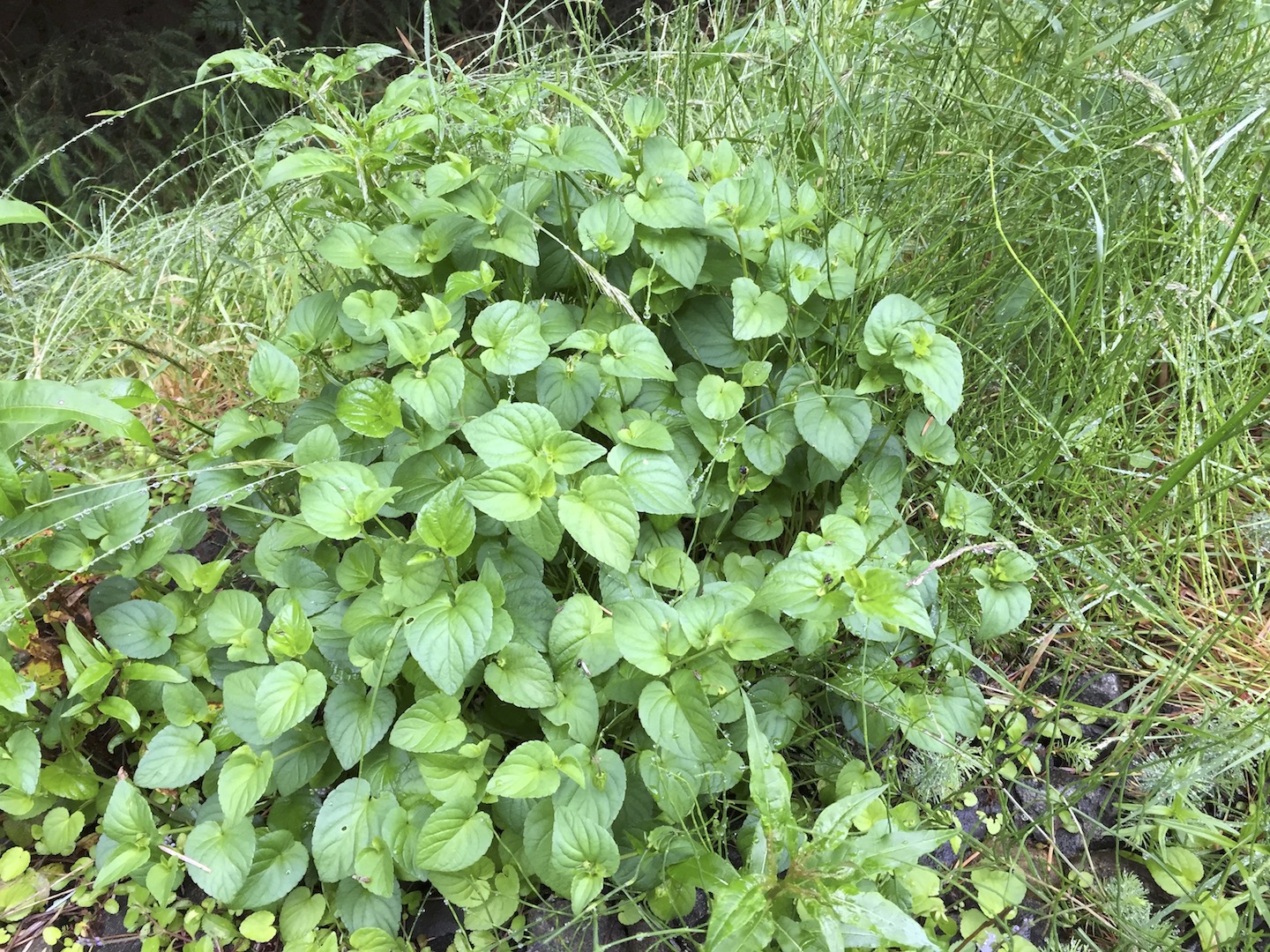
Basal rosette ovate to orbicular, obtuse and deeply cordate.
Viola riviniana 22Apr2017 NS9439 MP
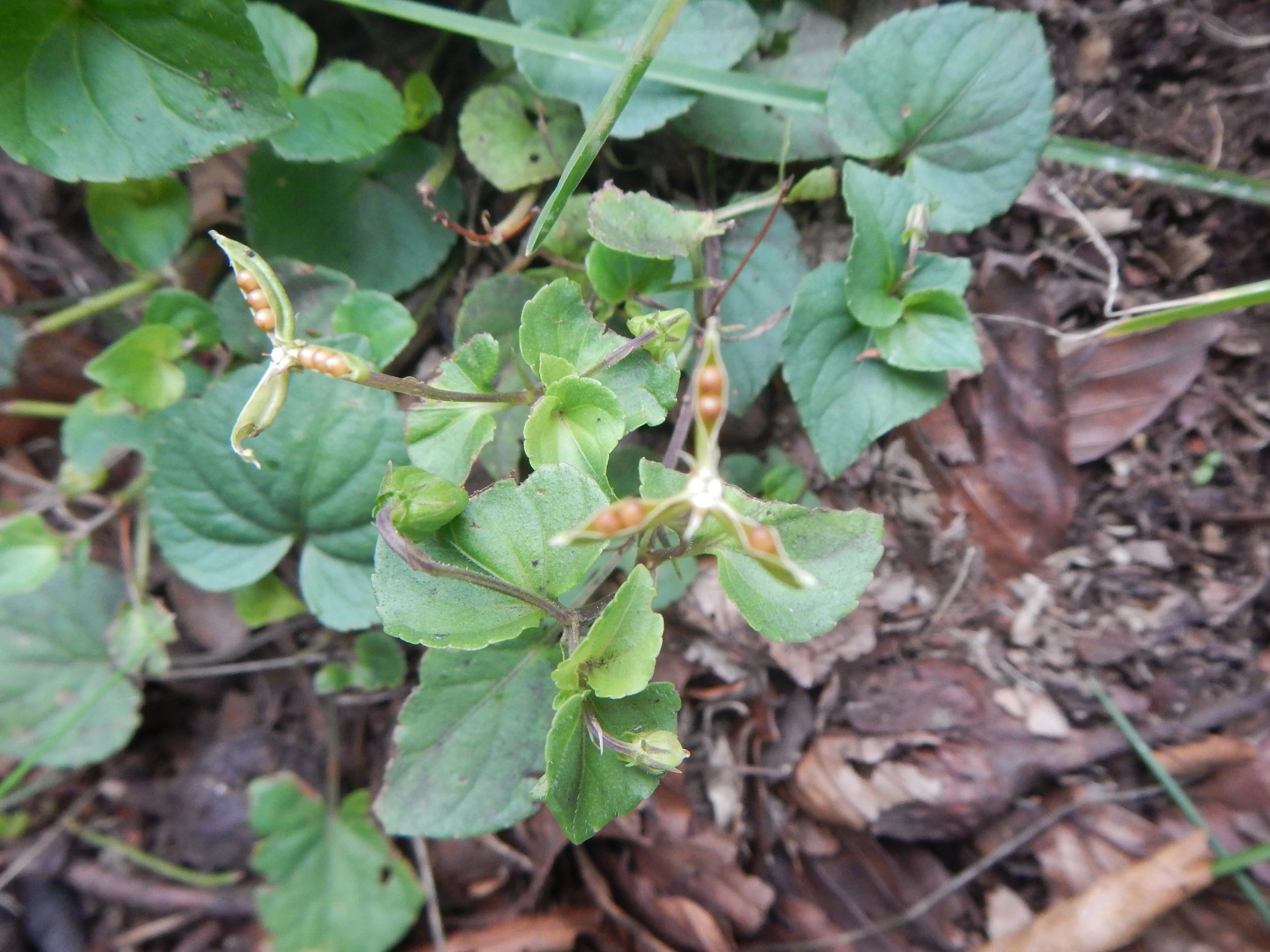
The open seed pods are disctinctive.
Viola riviniana 30Jun2017 NS9455 MP
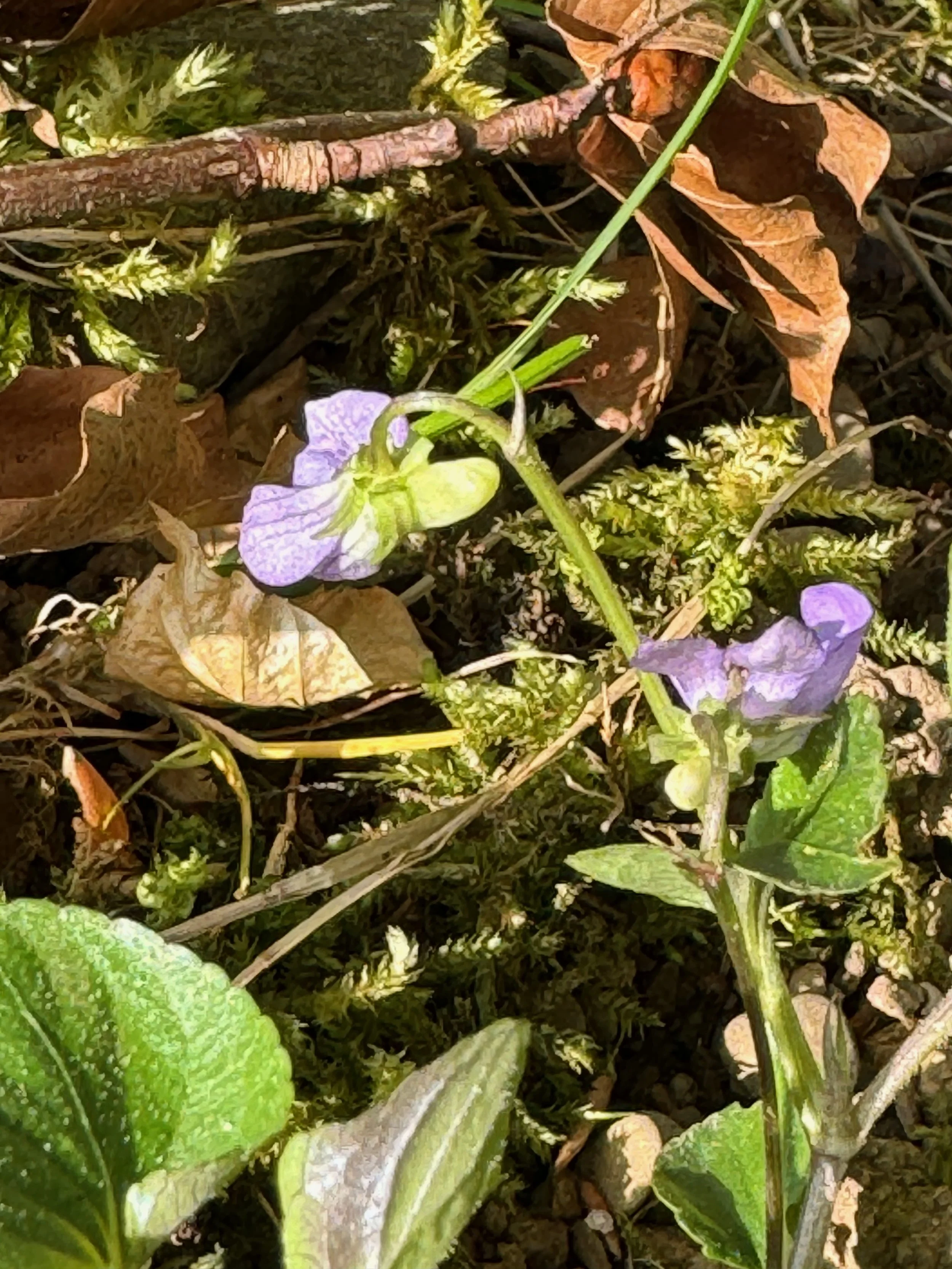
Viola canina NS8037 3May2024 PW
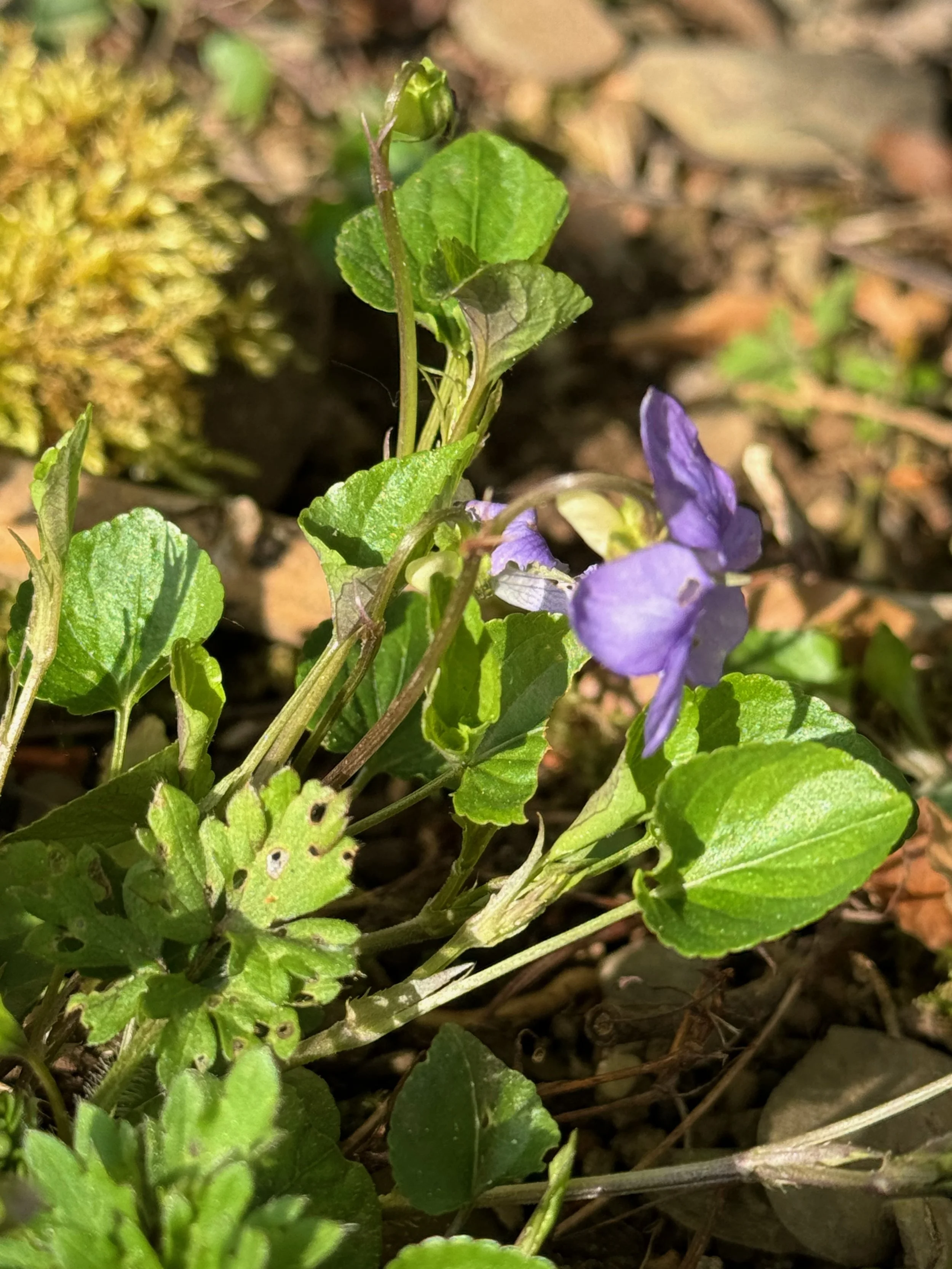
Viola canina NS8037 3May2024 PW
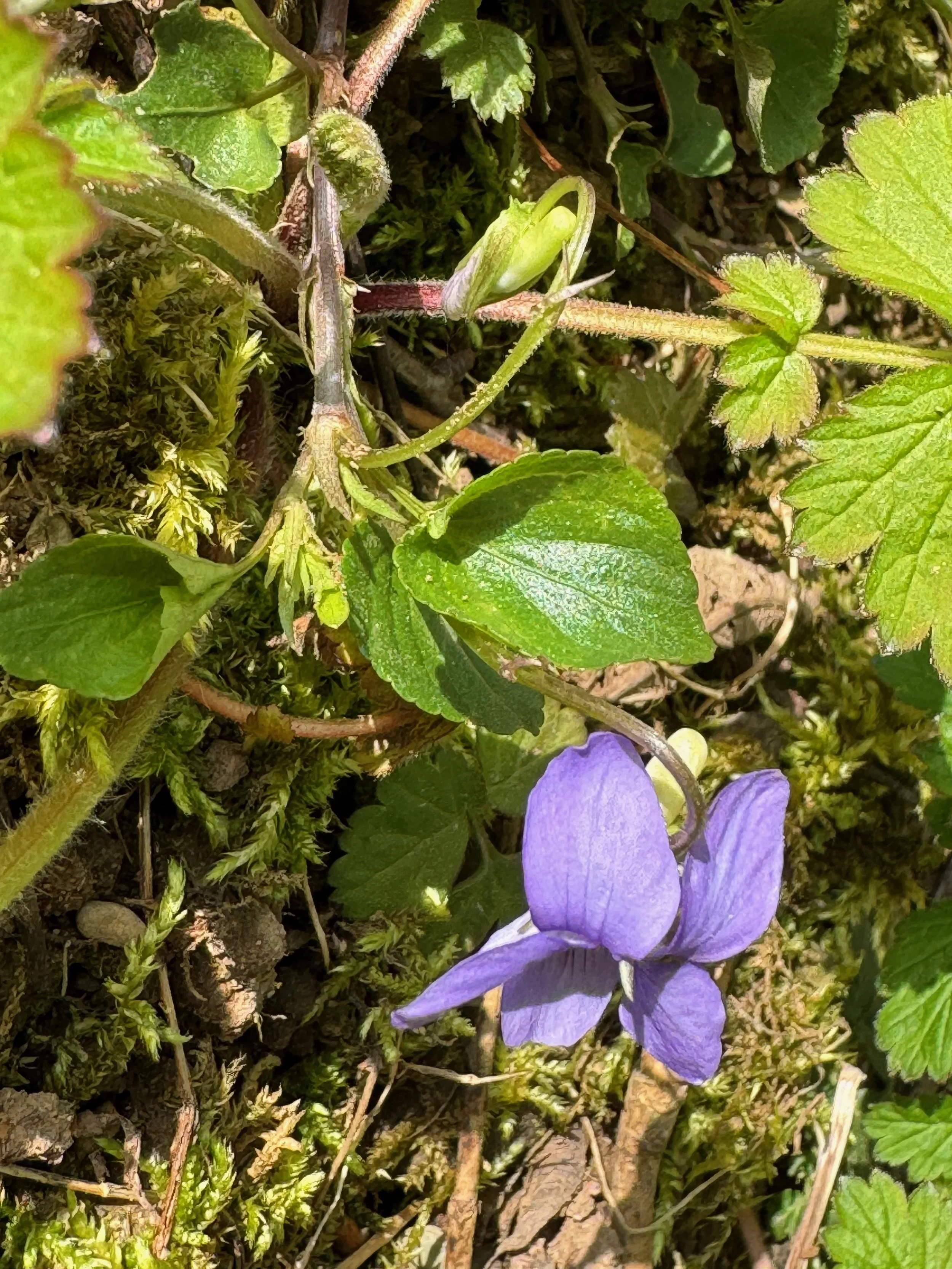
Viola canina NS8037 3May2024 PW
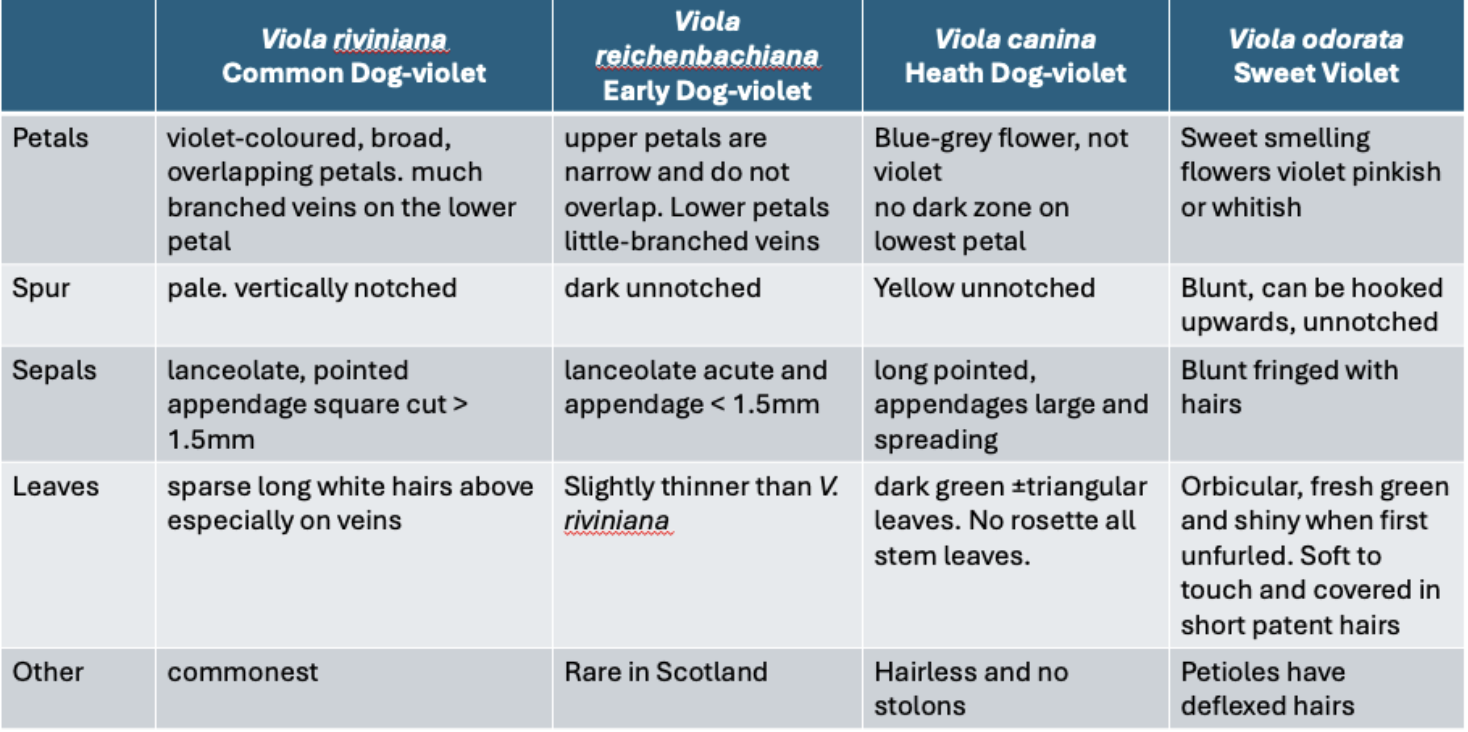
Viola species - Violets and Pansies
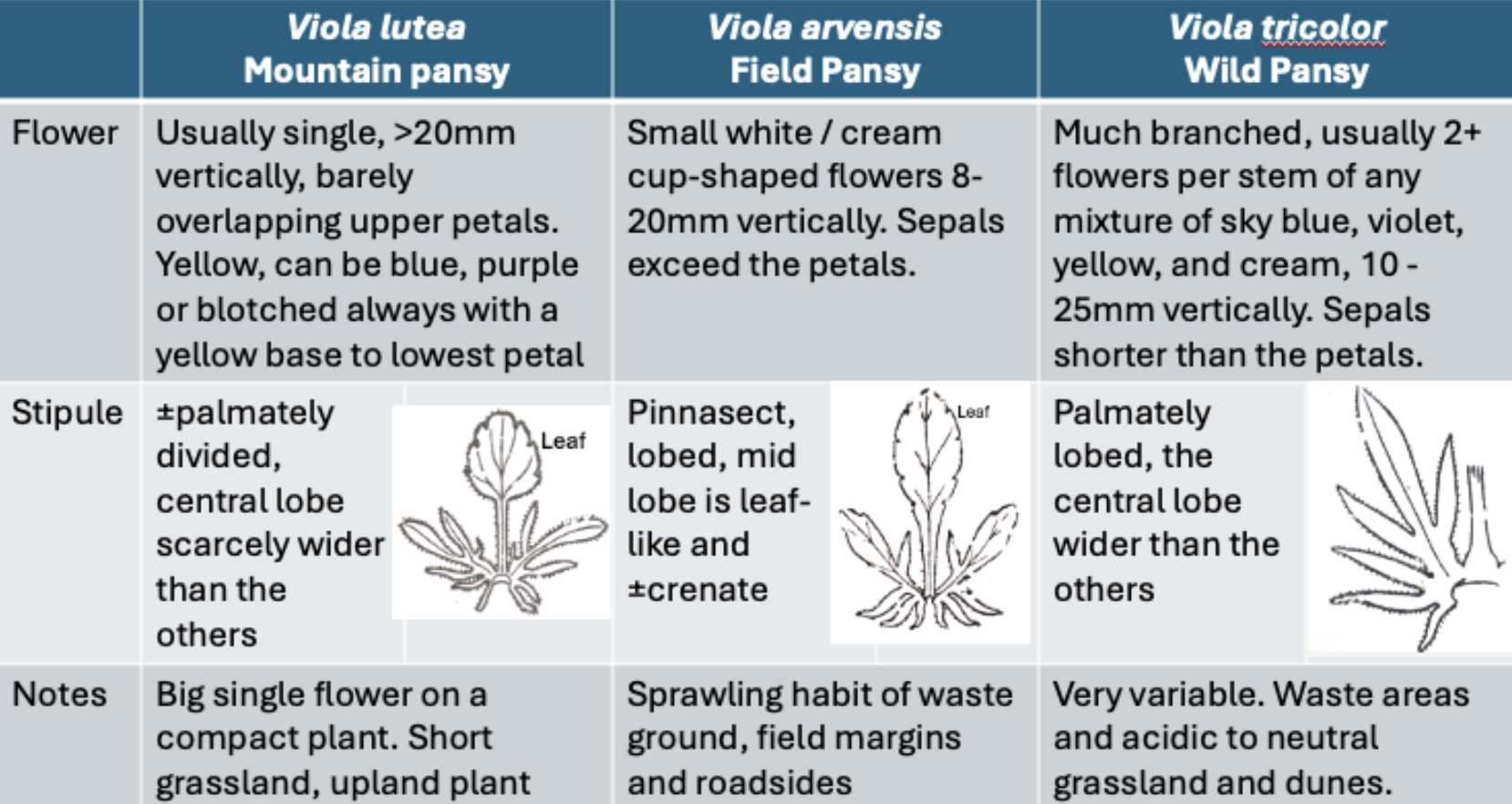
This genus is divided into violets and pansies. The main difference is small leaf-like structures called stipules, that are found at the base of the leaves where they emerge from the stems. In violets the stipules are toothed, in pansies they have lobes and are much more leaf-like, indeed in the field stipules and leaves can easily be confused in pansies, see the annotated photograph.
In both violets and especially pansies, colour is not reliable for identification. White violets and yellow, white or purple pansies are common..
There are three species of pansy in Lanarkshire and the habitat is useful in distinguishing them see the notes on the pictures.
Viola arvensis - Field Pansy Sprawling habit. Small white / cream cup-shaped flowers 8-20mm vertically. Sepals exceed the petals and sepal appendage can be up to 1/3 the length of the sepal. Stipules pinnasect, lobed and mid lobe is leaf-like and ±crenate. A plant of waste ground, field margins and roadsides
Viola lutea - Mountain Pansy Perennial. Corolla > 20mm vertically, with barely overlapping petals. Usually yellow, can be blue, purple or blotched. Often in Renfrewshire and Lanarkshire it is all purple with a yellow throat. usually a singly flower. Terminal segment of the stipules scarcely wider than the others and entire. Has slender rhizomes. Usually several stems from ground level. Tends to be upland areas.
Viola tricolor - Wild Pansy very variable! Much branched, usually 2 or more flowers per stem. Flowers can be any mixture of sky blue, violet, yellow, and cream. Corolla 10 - 25mm vertically. Sepals shorter than the petals, triangular with a variable appendage. Stipules palmately lobed and the central segment wider than the others and maybe ±crenate or entire.
There are two common species of violet in Lanarkshire, one in dry ground and the other in wet ground.
Viola palustris - Marsh Violet Leaves are round or kidney shaped leaves with a cordate base, faintly toothed and glabrous. Flowers pale lilac with conspicuously veined lower petal. Flowers and leaves arise on individual stalks from the underground rhizome.
Viola riviniana - Common Dog-violet Basal leaf rosette; leaves ≤1.3x long as wide, perennial with leafy stems. Basal rosette ovate to orbicular, obtuse and deeply cordate.
Capsules, petioles and lower side of leaves hairless ± few hairs on upper surface of leaves especially on veins.
Sepals acute, appendages > 1.5mm. Corolla spur is paler than the corolla which is pale blue / violet with a vertical notch at the end. Petals much branched veins on the lower petal.
Viola canina- Dog Violet is uncommon. ±Glabrous perennial with leafy stems and no basal rosette. Leaves are ovate to narrowly ovate (> 1.4 as long as wide). Flower blue-grey with a whitish-yellow spur.
Viola odorata Sweet Violet is also uncommon. Perennial with leaves and flowers from a central tuft, no basal rosette, stolons present and spreads in patches. Leaves (both sides) and petioles hairy are shiny dark green.
Hairs on petioles <0.3mm reflexed or appressed. Leaves ovate to ovate-orbicular, deeply cordate.
Sepals blunt. ± Sweet smelling flowers violet or whitish with spur of the same colour. Flowers can be pinkish, not blue.