
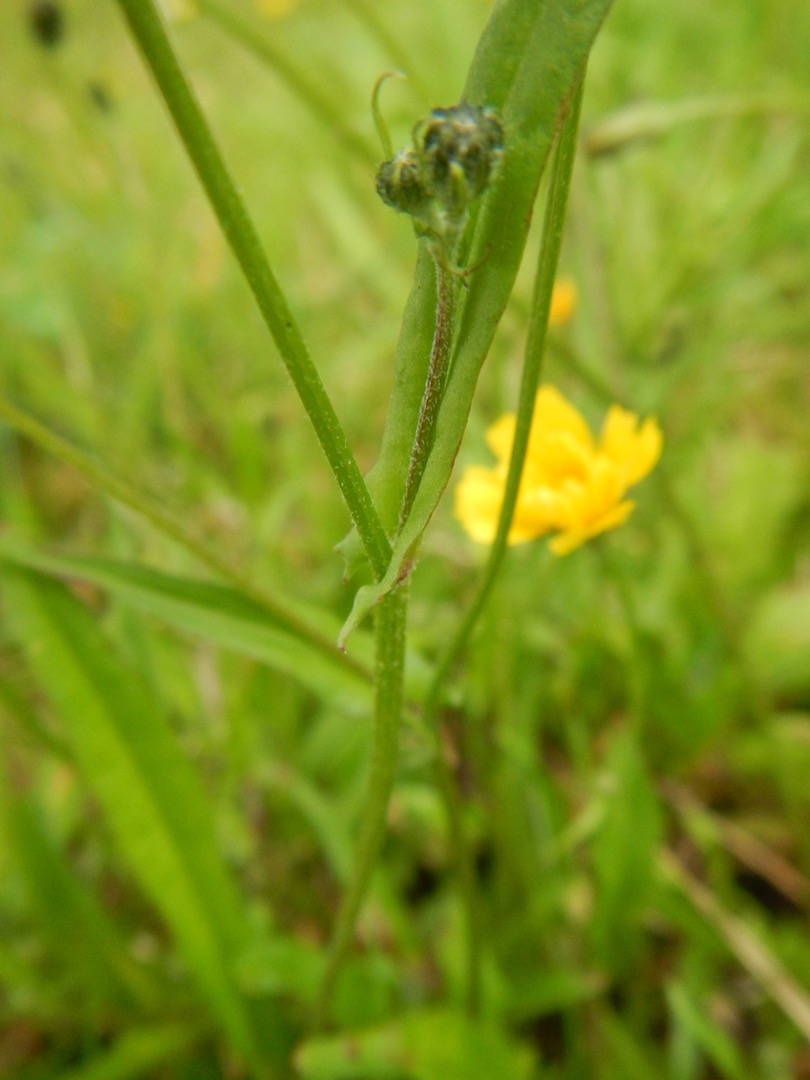
Crepis capillaris NS5565 25Jul2017 PW
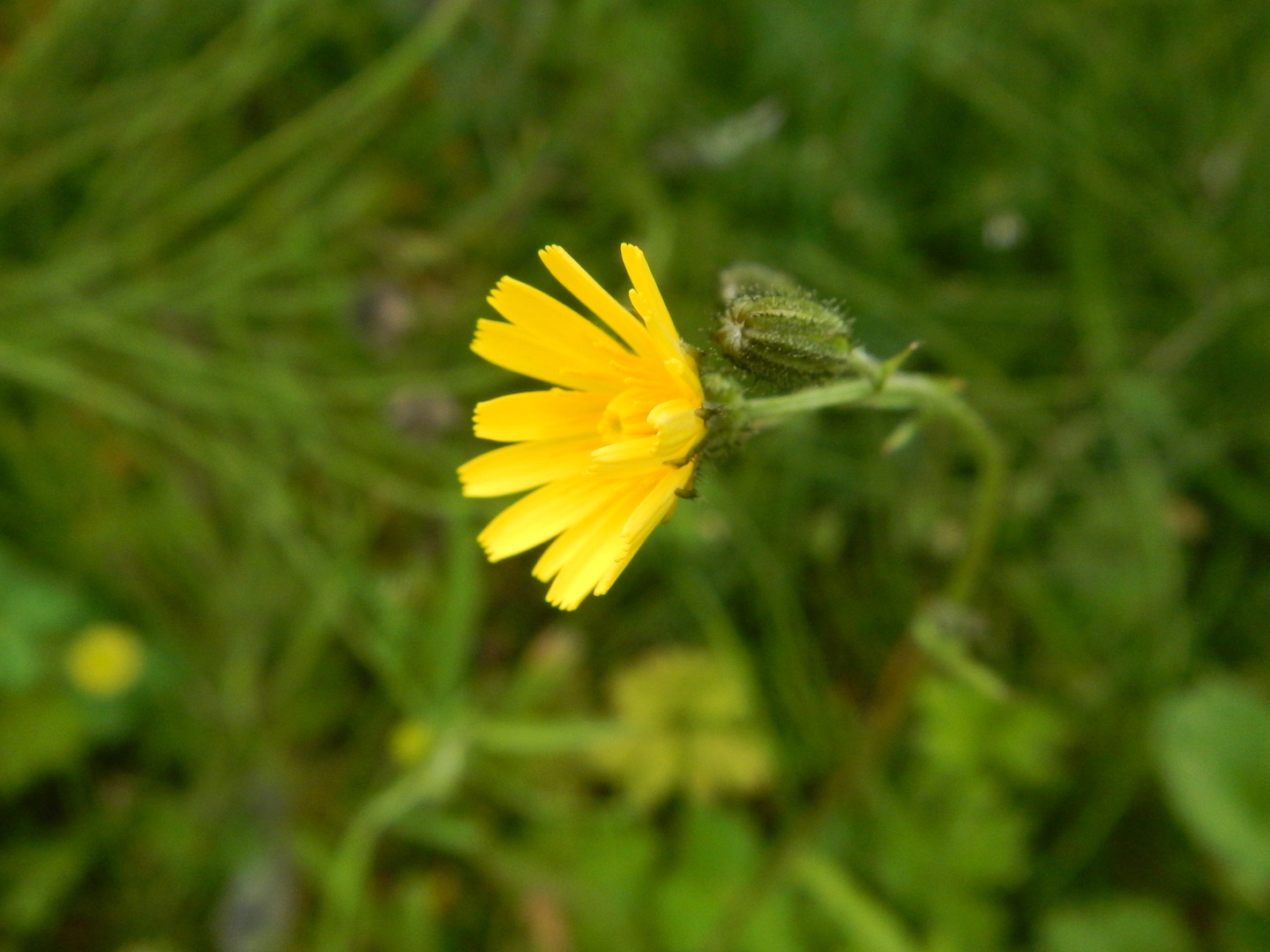
Crepis capillaris NS5565 25Jul2017 PW
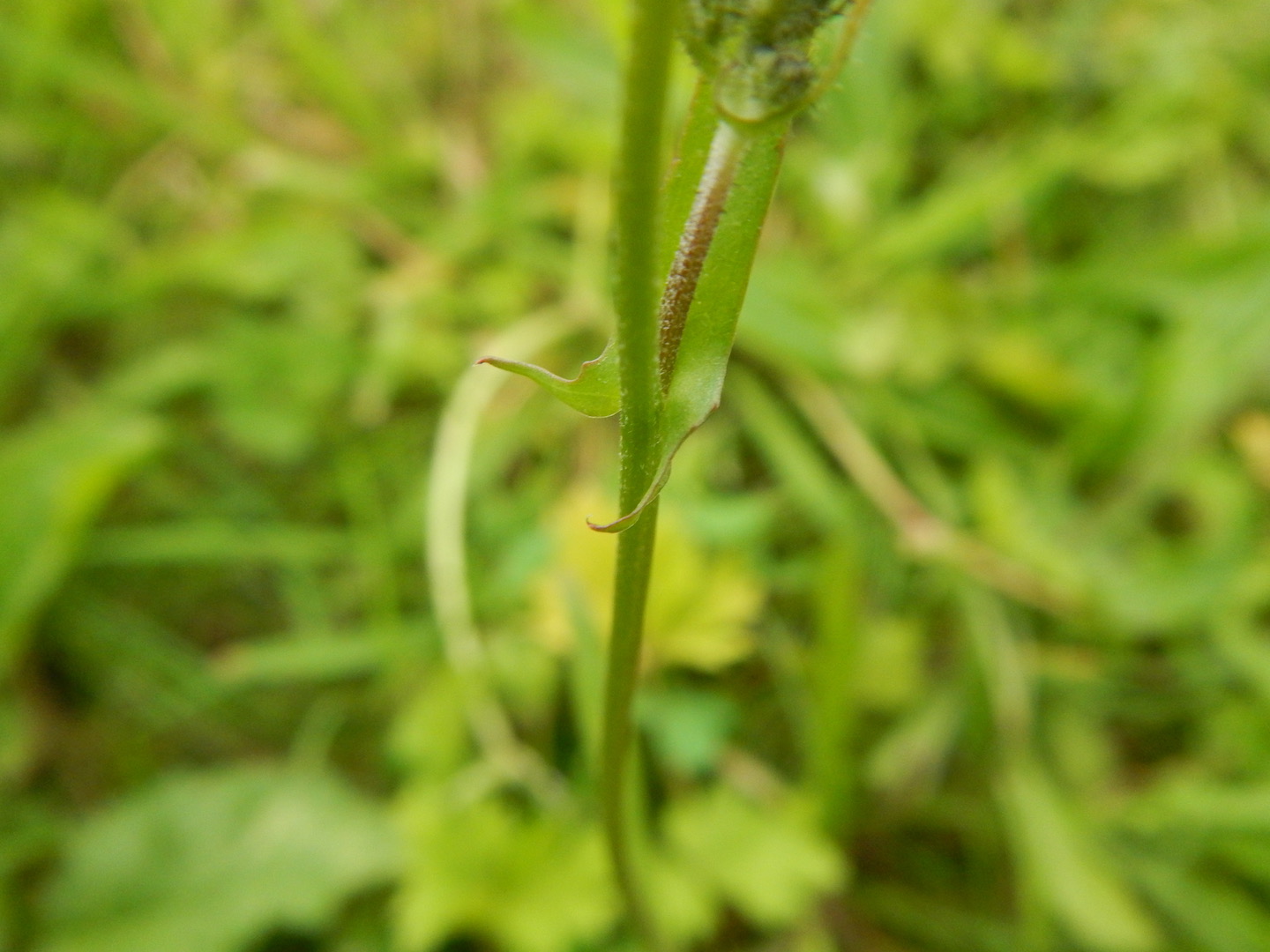
Crepis capillaris NS5565 25Jul2017 PW

Crepis capillaris NS5566 25Jul2017 PW

Crepis capillaris NS5566 25Jul2017 PW


Crepis paludosa NN8842 24June2018 PW

Crepis paludosa NN8842 24June2018 PW

Crepis paludosa NN8842 24June2018 PW
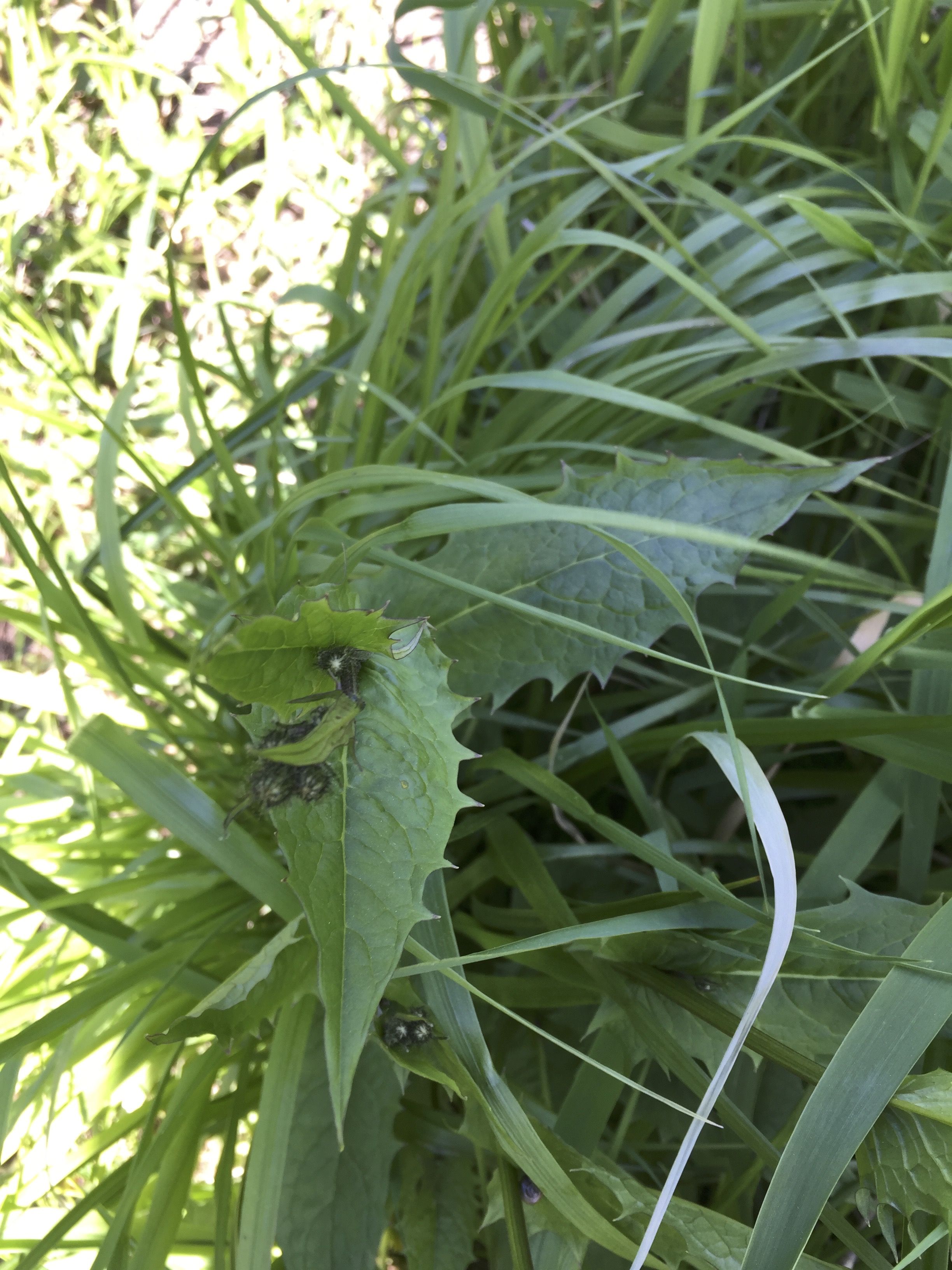
Crepis paludosa NS7552 25May2018 MP
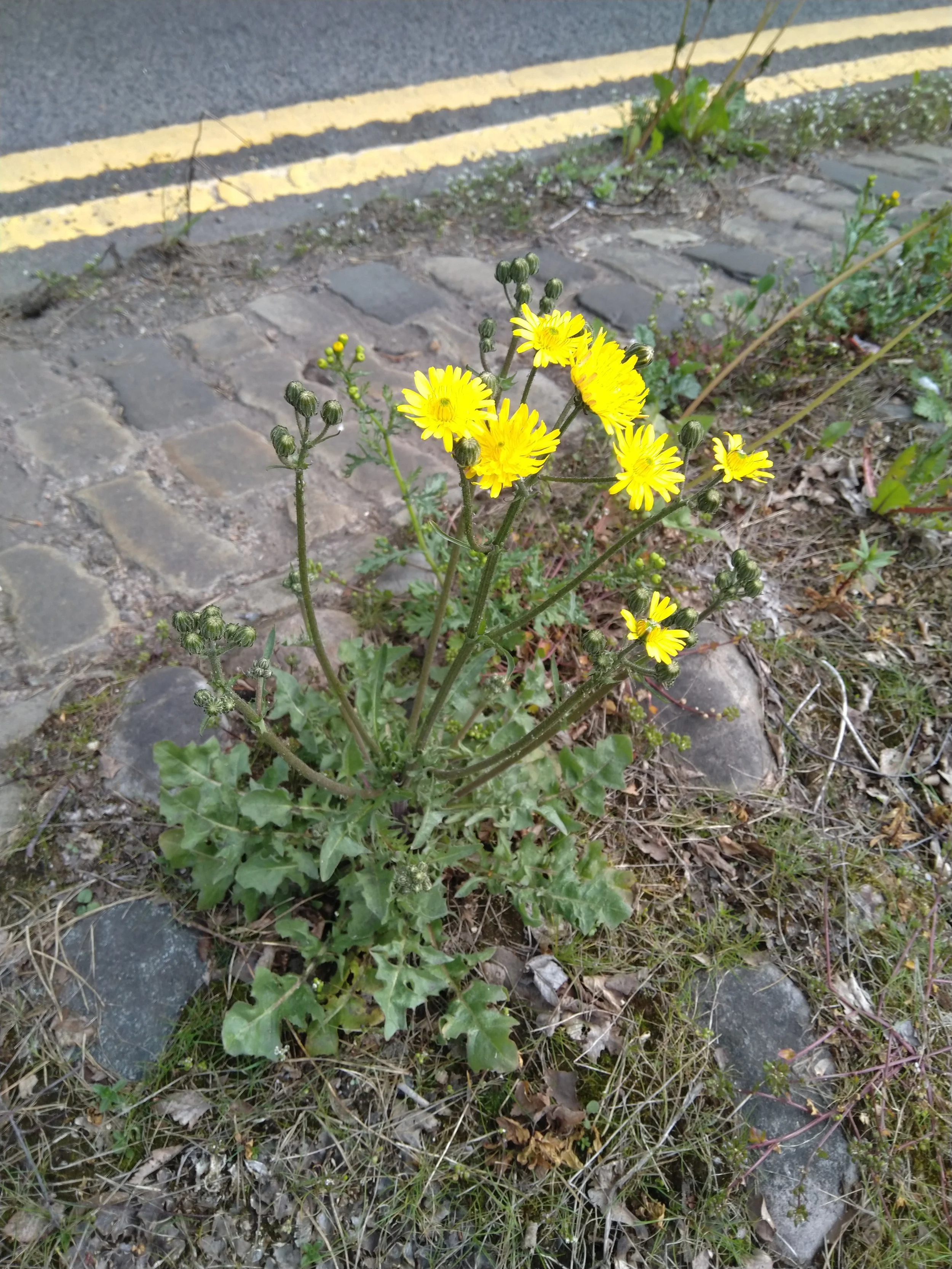
Crepis vesicaria NS5667 1May25 MM
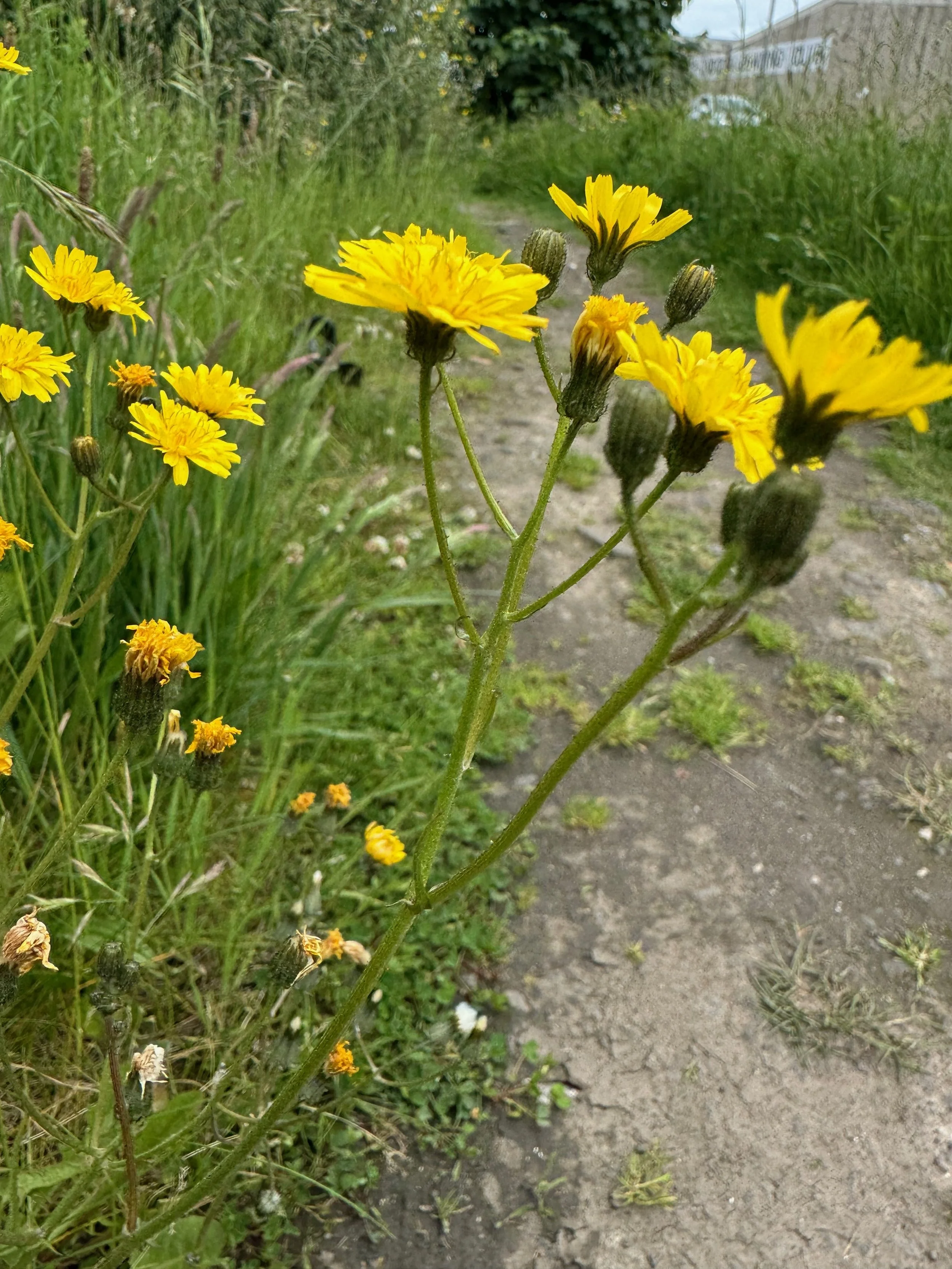
Crepis vesicaria NS5466 31May24 PW
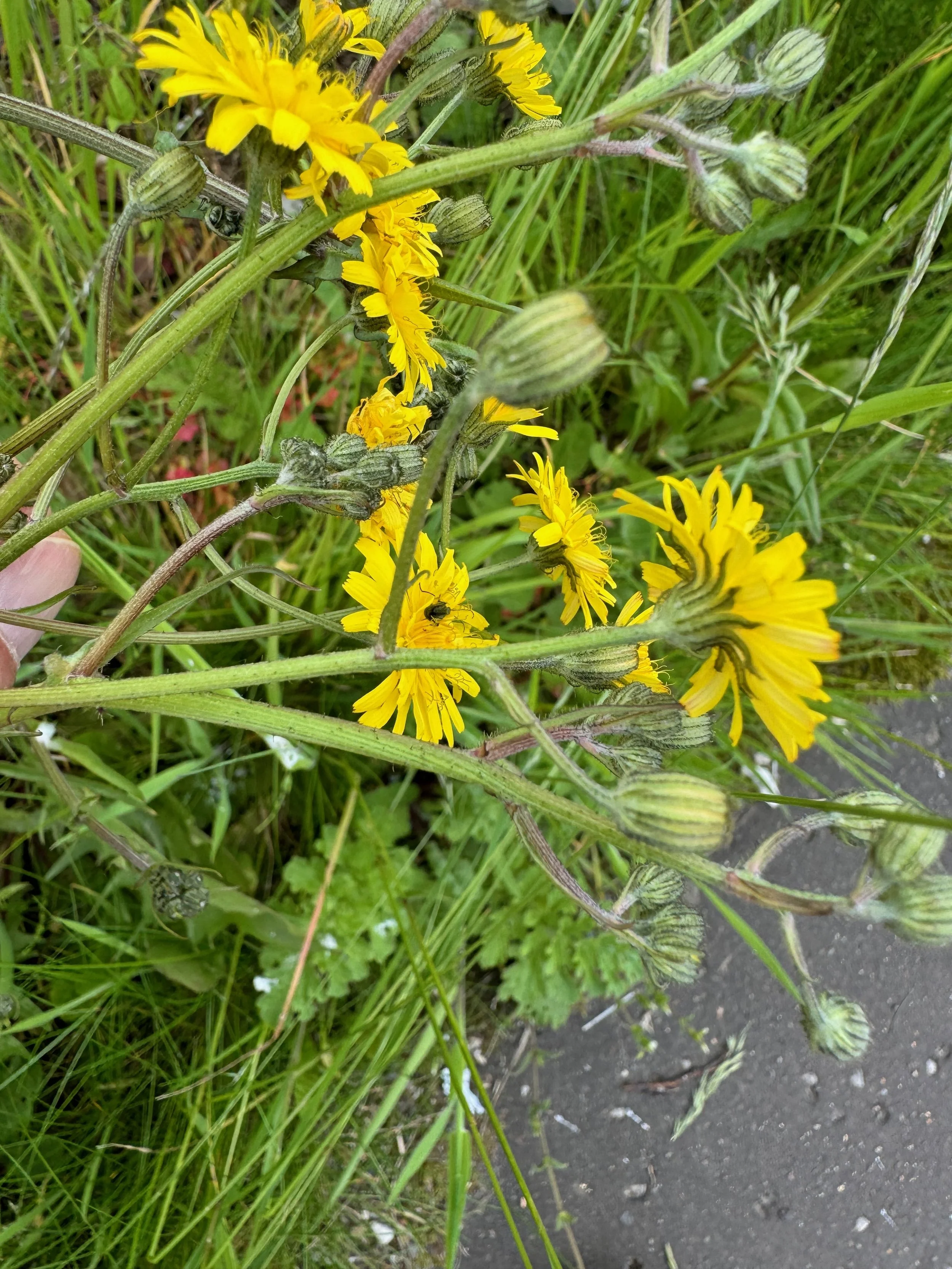
Crepis vesicaria NS5466 31May24 PW
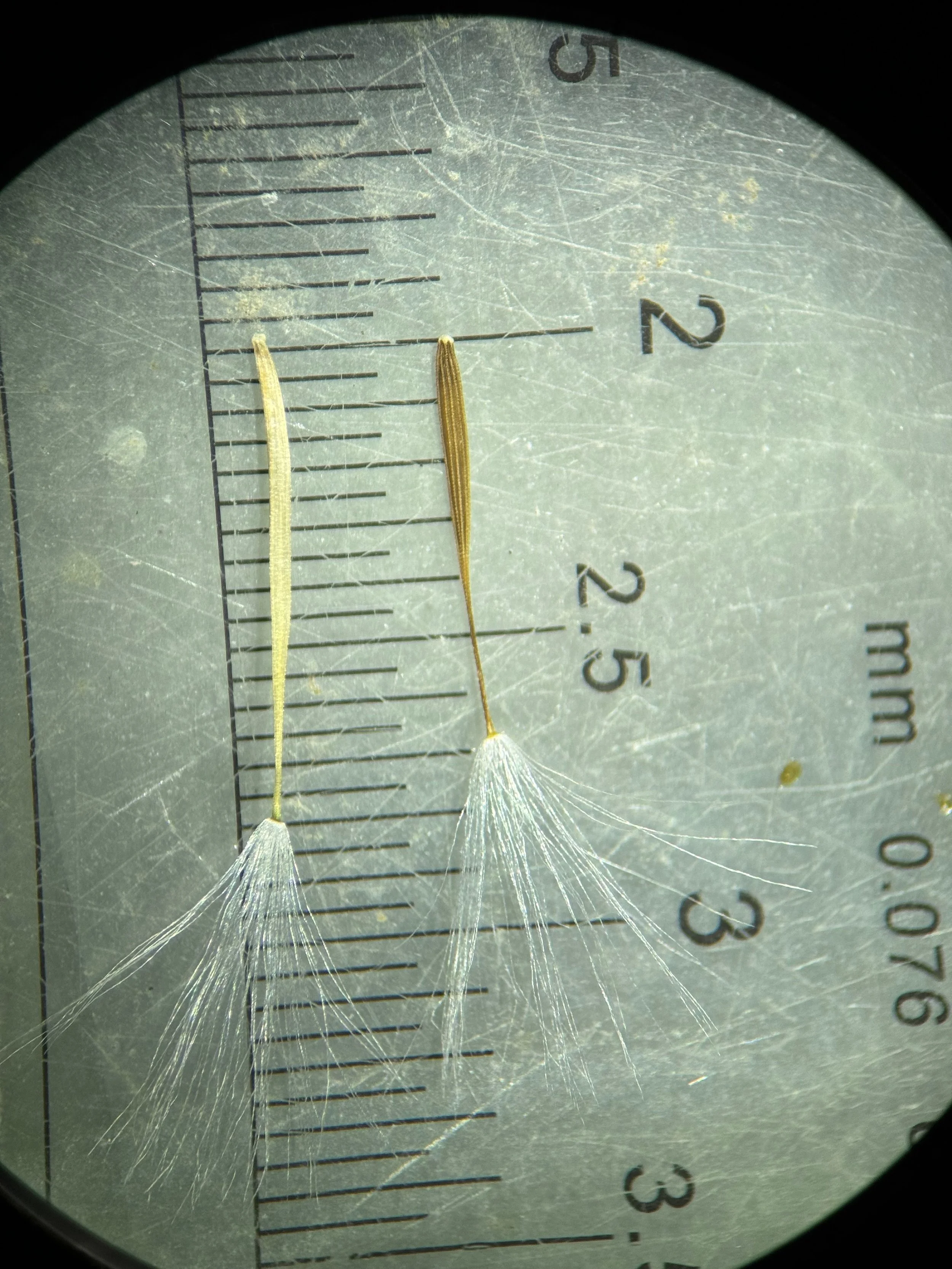
An immature seed on the left and a mature one on the right showing the beak.
Crepis vesicaria NS5466 31May24 PW
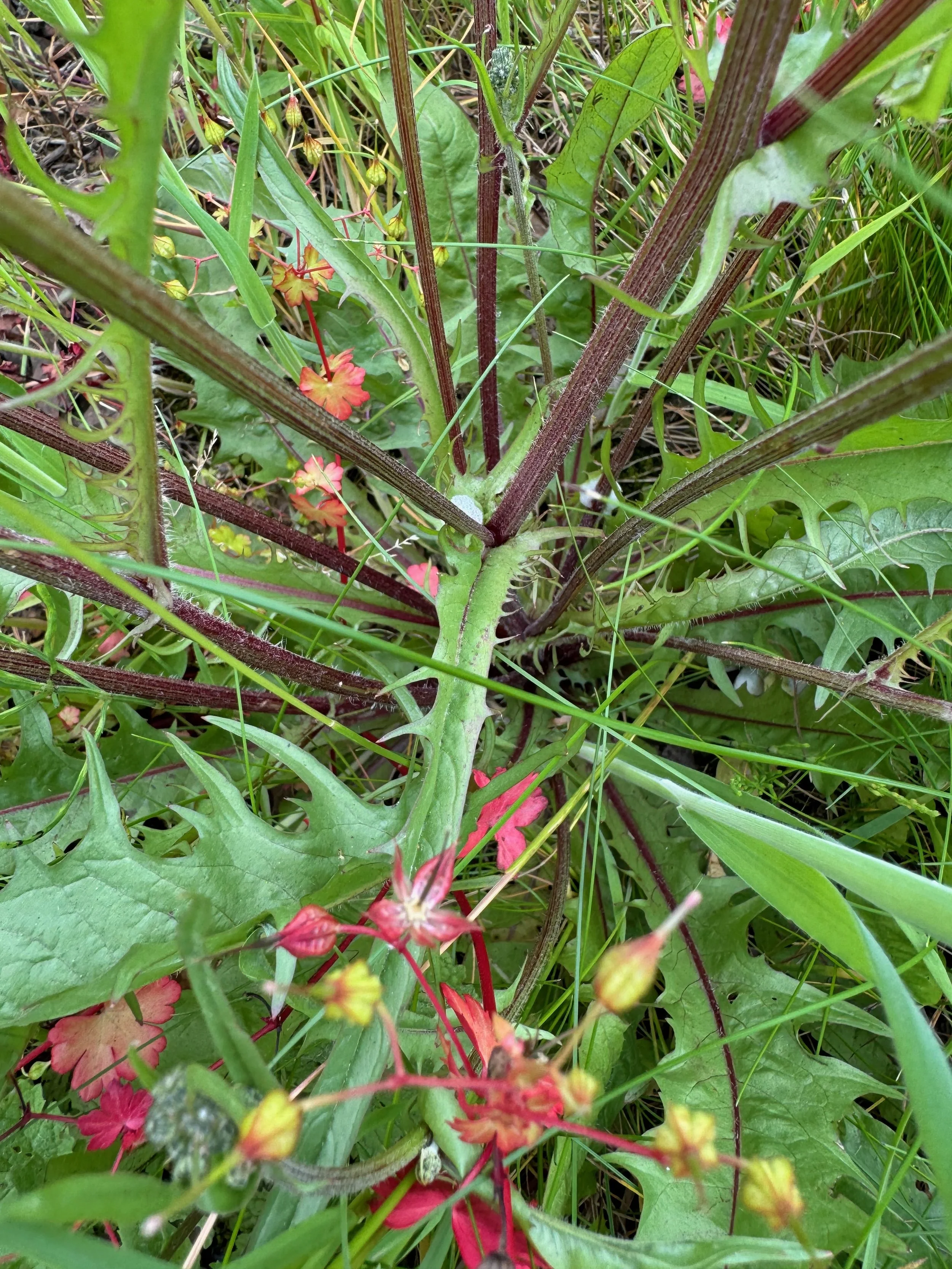
Crepis vesicaria NS5466 31May24 PW
Crepis species - Hawk's Beard family
Crepis (Hawk’s Beard) family all have two clear rows of bracts which differentiates them from the more chaotic arrangement in Hieracium
Crepis capillaris - Smooth Hawk's Beard Erect ±hairless annual to 75cm often smaller. Basal leaves with irregular pinnate lobing, winged stalk and clasping the stem. Stem leaves shiny, long and thin, ±toothed, clasping stem with backward facing acute lobes.
Stem usually branching several times to loose clusters of smaller capitula.
Phyllaries arranged in two rows, outer appressed to inner or reflexed later in fruit. Ligules reddish on undersurface of outer ones. Round achene has no beak.
Crepis paludosa Marsh Hawk's Beard Erect, hairless plant to 90cm found in damp places and riverbanks, shade tolerant.
Stem leaves are shiny, narrowly triangular and toothed. The basal leaves have short stalks, but the stem leaves are sessile, clasping with backward pointing lobes that go way past the stem and are basically rounded but often have pointed teeth superimposed on the margins.
Flowers in loose clusters. Two rows of phyllaries have long dark ±glandular hairs.
Round achene with no beak and a white pappus.
Crepis vesicaria Beaked Hawk's-beard This is an increasing casual in waste ground. Malcolm Macneill’s notes on this identifying:
1) What usually alerts you to Beaked Hawksbeard is its big, robust, ragged and untidy appearance - especially the often jagged-edged large crumpled basal leaves - and the overall rather dingy grey-green appearance - due mostly to its general hairiness. Smooth Hawksbeard is much more commonly a shinier, darker green, with especially neater, narrow, more elegant upper leaves, it can be faintly hairy though, sometimes. Beaked Hawksbeard is usually noticeably hispid in the lower stems. Both species have occasional very large, or diminutive specimens occurring.
2) Flowering periods can help you : Beaked often flowers earlier than Smooth - typically May- June for Beaked, and June - October or November for Smooth. Some Beaked can flower in July or August, but not often.
3) The flowers of Beaked are usually noticeably larger than Smooth: larger, and less tidy and neat. Beaked sizes: 15 - 40mm, Smooth: 8 - 15 or 20mm. They usually conform, but not always!
Both species can have red streaks behind the petals, though it is more typical with Beaked.
4) Bracts of Beaked sometimes have glandular hairs as well as simple. More rarely Smooth have glandular hairs too, in a sub-species.
5) The real certainty of identification is length and shape of achenes, and the silky appressed hairs on inside of outer bracts.